How to Know If AC Is Broken: 15 Warning Signs
If you are wondering how to know if AC is broken, the answer usually starts with sudden changes in airflow, warm air coming from your vents, or unusual grinding noises from the outdoor unit. Texas summers put immense strain on residential cooling systems, making it vital to recognize early warning signs before a minor electrical glitch turns into a complete system breakdown.
While a total shutdown is obvious, identifying subtle symptoms like elevated indoor humidity or short cycling can save you thousands of dollars in emergency repairs. This comprehensive guide breaks down the most common symptoms, safe homeowner checks, local Texas environmental factors, and precise repair vs. replacement guidelines so you can restore home comfort safely.
Quick Answer: How to know if AC is broken?
Your home AC may be broken if it blows warm air, has weak airflow, makes new grinding or buzzing sounds, leaks water, forms ice, short-cycles, causes an unexplained energy-bill spike, or will not start. First check the thermostat, filter, breaker, and outdoor airflow. Turn the system off and call a licensed HVAC technician for refrigerant, electrical, or compressor problems.
When determining how to know if ac is broken, it is crucial to avoid assuming that every issue stems from a dead compressor or a ruined system. Often, a unit that refuses to cool is simply suffering from a clogged air filter, a tripped circuit breaker, or a miscalibrated thermostat. Before assuming the worst, evaluate whether the issue is operational, electrical, or airflow-related.
The 15 Most Common Signs of a Broken AC
Recognizing the early warning signs of cooling system failure allows you to take action before complete breakdown strikes during a Texas heatwave.
1. Warm Air From the Vents
If warm or lukewarm air blows from your supply registers while your thermostat is set to “Cool,” your system is failing to complete its heat-exchange cycle.
2. Weak or Uneven Airflow
Low airflow across multiple rooms often indicates a failing blower motor, severe duct leaks, or an evaporator coil blocked by dirt and ice.
3. AC Will Not Turn On
A completely unresponsive system usually points to a tripped safety switch, a blown fuse, a tripped circuit breaker, or a failed thermostat wire.
4. Repeated Breaker Trips
If your air conditioner trips the main circuit breaker repeatedly, never force it back on. This indicates a dangerous electrical short, a hard-starting compressor, or a grounded motor.
5. Grinding, Squealing, Buzzing, or Banging
Unusual sounds signal mechanical wear. Grinding points to worn motor bearings, squealing indicates a slipping belt, and loud banging usually means a loose connecting rod inside the compressor.
6. Short Cycling
When an air conditioner turns on and off rapidly in short 2- to 5-minute intervals, it is short cycling. This severe strain is caused by oversized equipment, failing capacitors, or low refrigerant levels.
7. Ice on Refrigerant Lines
Ice buildup along the copper suction line or indoor evaporator coil is never normal. It indicates restricted airflow from a filthy air filter or a chemical refrigerant leak.
8. Water Near the Indoor Unit
Pooled water around your indoor air handler signals a clogged condensate drain line, a rusted drain pan, or melting ice from a frozen coil.
9. Musty or Burning Odors
A musty “dirty sock” smell suggests mold growth inside the ductwork or drain pan, while a sharp metallic or burning odor indicates overheating electrical wiring.
10. High Indoor Humidity
A healthy cooling system acts as a dehumidifier. If your indoor air feels sticky or clammy despite the unit running, the system is losing its moisture-removal capability.
11. Rising Electricity Bills
An unexpected spike in your monthly utility statement without a change in usage patterns means your air conditioner is running continuously due to degraded efficiency.
12. Outdoor Fan Not Running
If the compressor hums but the top fan blades on the outdoor condenser unit are not spinning, heat cannot discharge from your home, leading to high-pressure thermal shutoff.
13. Compressor Humming But Not Starting
A loud humming sound from the outdoor cabinet paired with a failure to start usually points to a failed run capacitor or a locked rotor inside the compressor.
14. Rooms That Never Reach the Set Temperature
When your thermostat is set to 72°F but the indoor temperature hovers at 78°F all day, your unit has lost cooling capacity.
15. System Struggles During Texas Heat
An air conditioner that works fine in mild weather but completely fails when outdoor temperatures cross 95°F is suffering from severe heat-stress vulnerabilities.
+------------------------------------+------------------------------------+----------------------------------+------------------+
| Warning Sign / Symptom             | Possible Causes                    | Homeowner Action                 | Urgency Level    |
+------------------------------------+------------------------------------+----------------------------------+------------------+
| Warm Air from Vents                | Clogged filter, low refrigerant,   | Check thermostat setting & filter| Medium to High   |
|                                    | failing compressor, bad thermostat | Turn system off if air stays hot |                  |
+------------------------------------+------------------------------------+----------------------------------+------------------+
| Burning Odor                       | Overheating blower motor, charred  | Shut off breaker immediately;    | High             |
|                                    | electrical wiring, bad contactor   | call a licensed HVAC tech        |                  |
+------------------------------------+------------------------------------+----------------------------------+------------------+
| Water Leaks Inside Home            | Clogged condensate drain line,     | Shut down AC, clear pan, protect | High             |
|                                    | cracked drain pan, frozen coil     | ceilings/flooring from water     |                  |
+------------------------------------+------------------------------------+----------------------------------+------------------+
| Grinding or Metallic Noise         | Failed motor bearings, broken      | Power down unit immediately;     | High             |
|                                    | compressor internal components     | do not run until inspected       |                  |
+------------------------------------+------------------------------------+----------------------------------+------------------+
Is It an AC Problem or a Thermostat Problem?
Before assuming your entire HVAC system has failed, isolate the control system. Thermostats are the electronic brain of your air conditioner, and simple control errors mimic major system failures.
- Blank Display Screen: Check if the thermostat batteries are dead, or if a tripped float switch inside the primary drain pan cut power to the thermostat circuit.
- Miscalibrated Sensor: Internal thermistors can drift over time. If your thermostat reads 70°F but a digital room thermometer reads 78°F, the sensor requires recalibration or replacement.
- Incorrect Mode Settings: Ensure the system is strictly switched to “Cool” rather than “Heat” or “Off,” and verify that the fan setting is on “Auto” instead of “On.” Running the fan on “On” continuously circulates humidity back into your home when the cooling cycle stops.
If your house air conditioner not cooling persists despite verifying thermostat settings, the breakdown is located within the high-voltage or mechanical components of the system.
What to Check Before Calling an HVAC Technician
Performing basic, safe troubleshooting steps can eliminate minor user errors and save you the cost of an unnecessary service call.
Confirm the Thermostat Is Set to Cool
Verify the thermostat switch is set to “Cool,” and set the desired temperature at least 5 degrees below the current room temperature.
Replace a Heavily Clogged Filter
A dense layer of dust starves the system of air, dropping pressure and causing the evaporator coil to freeze solid. Replace dirty filters immediately.
Check the Breaker Once
Locate your main electrical panel and check the dual-pole breaker labeled for your air conditioner. If it has tripped to the middle position, flip it firmly to “Off,” then back to “On.”
Make Sure Supply and Return Vents Are Open
Ensure at least 80% of all supply registers across your home are open and unblocked by furniture, drapes, or rugs to maintain proper static duct pressure.
Clear Leaves and Vegetation From the Outdoor Unit
Inspect the outdoor condenser cabinet. Clear away leaves, lawn clippings, weeds, and debris within a 2-foot radius to maintain heat transfer efficiency.
Check Whether the Outdoor Fan Is Running
With the thermostat calling for cooling, walk outside and observe the outdoor condenser unit. Confirm whether the top fan is spinning freely.
Safety Warning
Never open the high-voltage electrical panel on your indoor or outdoor unit, never touch the high-voltage start/run capacitor, and never attempt to add refrigerant yourself. Modern systems operate under extreme pressure and hazardous electrical current that requires professional certification.
Why Your AC Is Blowing Warm Air
Warm supply air is one of the clearest signs when evaluating how to tell if your ac is broken. When warm air currents exit your ceiling vents, several failures may be at play:
- Refrigerant Leaks: Chemical refrigerant (such as R-410A) operates inside a closed loop. A pinhole leak in the copper coils reduces heat absorption capacity, causing the supply air to warm up.
- Defective Run Capacitor: Capacitors deliver the electrical boost required to start and run the compressor motor. When a capacitor bulges or fails, the fan may blow without compressor engagement.
- Thermostat Wiring Short: Low-voltage signal wires can chafe or disconnect, failing to signal the outdoor compressor contractor to engage while the indoor fan runs continuously.
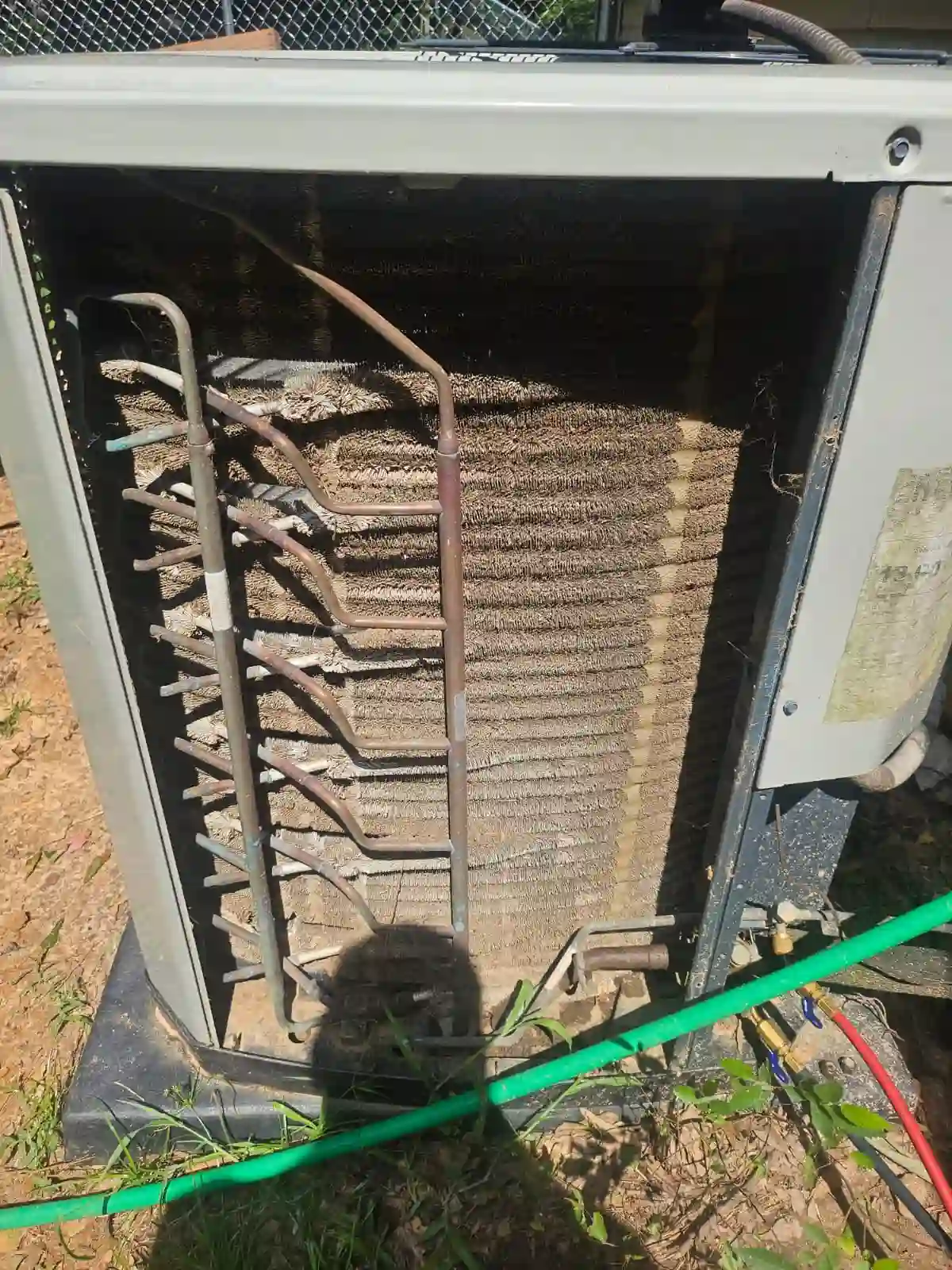
- Dirty Outdoor Condenser Coil: If the aluminum fins on the outdoor unit are caked in dirt, heat absorbed from inside your home cannot be released outside, returning warm air into your rooms.
What Weak Airflow Usually Means
Low air velocity coming from your air vents indicates that your duct system or blower assembly is severely restricted. When airflow drops, the cooling system loses heat transfer capacity, putting severe mechanical stress on the compressor motor.
The most common culprit behind weak airflow is a blocked air filter or a filthy indoor evaporator coil. However, if you notice your home AC not working after winter, rodents may have chewed through flexible attic ductwork, or closed dampening dampers may be throttling your system’s air supply.
Strange AC Noises and Their Possible Causes
Air conditioners operate with a steady rhythm of fan motor movement and low compressor hums. Sudden, jarring noises indicate specific mechanical or electrical breakdowns:
+------------------------------------+------------------------------------+----------------------------------+
| Sound Type                         | Mechanical Source                  | Potential Consequence            |
+------------------------------------+------------------------------------+----------------------------------+
| Screeching / High Pitched Squeal   | High internal compressor pressure  | Sudden emergency system shutoff  |
|                                    | or failing blower motor bearings   |                                  |
+------------------------------------+------------------------------------+----------------------------------+
| Loud Banging or Clunking           | Loose or broken connecting rod     | Catastrophic compressor housing  |
|                                    | or piston inside compressor casing | replacement required             |
+------------------------------------+------------------------------------+----------------------------------+
| Electrical Buzzing or Chattering   | Faulty electrical contactor relay  | Arcing wires, burnt connections, |
|                                    | or failing relay coil              | burnt circuit board              |
+------------------------------------+------------------------------------+----------------------------------+
| Rapid Metal Clicking               | Defective relay or fan blade       | Electrical failure or broken     |
|                                    | obstruction in outdoor cabinet     | condenser fan assembly           |
+------------------------------------+------------------------------------+----------------------------------+
Water Leaks, Ice, and Refrigerant Warning Signs
Water management and refrigerant charge are directly connected in modern split-system air conditioners.
Why Ice Forms on Refrigerant Lines
When airflow across the indoor evaporator coil is blocked by dust or a dirty filter, the refrigerant inside the coil cannot absorb indoor heat. The temperature of the refrigerant drops below 32°F, causing atmospheric moisture on the coil to freeze into solid ice. Ice then travels down the copper suction line to the outdoor cabinet.
Condensate Drain Line Backups
As your system removes moisture from warm humid air, condensation trickles down the evaporator coil into a PVC drain pan. Algae, dust, and fungal growth frequently block this PVC drain line. Without a functioning float switch, overflowing water ruins drywall, ceilings, and flooring.
Chemical Refrigerant Leaks
Refrigerant does not dissipate or get used up over time like gasoline in a car. If refrigerant is low, your system has a mechanical leak. Hissing or bubbling noises near the copper lines indicate pressurized refrigerant escaping into the air.
Short Cycling and High Energy Bills
Short cycling occurs when an air conditioner repeatedly turns on, runs for a brief 2 to 4 minutes, and shuts down before completing a full cooling cycle. This pattern prevents your home from cooling evenly and causes severe electrical wear.
Each time a compressor starts up, it draws in a heavy surge of electricity known as Inrush Current (or Locked Rotor Amps). When short cycling occurs 10 to 12 times per hour, energy consumption skyrockets, resulting in astronomical utility bills. Common causes of short cycling include failing capacitors, mislocated thermostats, low refrigerant charge, or an oversized HVAC system.
How Texas Heat Affects Your AC System
Texas cooling demands are among the most severe in the nation. Prolonged exposure to triple-digit heat, severe humidity, and environmental dust strains different HVAC components across specific geographic regions:
+-------------------+--------------------------------------+-------------------------------------------------+
| Texas Region      | Predominant Environmental Strain     | Primary System Risk Factors                     |
+-------------------+--------------------------------------+-------------------------------------------------+
| Houston & Gulf    | Extreme Relative Humidity            | Rapid condensate line algae clogs, mold growth, |
| Coast             | & Salty Air Corrosion                | rusted drain pans, capacitor corrosion          |
+-------------------+--------------------------------------+-------------------------------------------------+
| Dallas-Fort Worth | Extended Heatwaves (100°F+ Days)     | Extreme thermal stress on compressor windings,  |
| Metroplex         | & Severe Summer Storms               | voltage spike damage from lightning             |
+-------------------+--------------------------------------+-------------------------------------------------+
| San Antonio &     | High Dust, Pollen, & Limestone       | Rapid clogging of outdoor condenser coils,      |
| Central Texas     | Particulates                         | restricted airflow, motor bearing friction      |
+-------------------+--------------------------------------+-------------------------------------------------+
| Austin & Hill     | Microclimate Humidity Spikes         | Airflow imbalance across multi-story homes,     |
| Country           | & Excessive Cedar Pollen             | severe indoor air filter restriction            |
+-------------------+--------------------------------------+-------------------------------------------------+
When operating during extreme summer heatwaves, ambient temperatures around the outdoor condenser unit can exceed 115°F. This forces your system to operate at maximum internal pressure, making routine maintenance essential to prevent complete cooling breakdown.
Repair or Replace: How to Make the Right Decision
Deciding whether to repair a broken air conditioner or invest in a new, high-efficiency system depends on age, repair history, and overall system condition.
When to Repair Your System
- System Under 8 Years Old: If the unit is relatively new and under manufacturer warranty coverage, repairing individual components is usually the most economical choice.
- Minor Electrical Failures: Replacing contactors, capacitors, relays, or clearable drain line clogs are low-cost repairs that restore full system functionality.
- Repair Costs Under $500: Simple maintenance and component fixes are easily justified on systems that have been regularly serviced.
When to Replace Your System
- System Age Exceeds 10-12 Years: Older units lose operational efficiency and face rising failure rates on major mechanical parts.
- Obsolete Refrigerant (R-22): If your older system uses R-22 refrigerant, repairing a leak is cost-prohibitive due to phase-out supply restrictions.
- Major Compressor or Coil Failure: When a major component fails on an out-of-warranty system, investment toward a modern SEER2 high-efficiency unit provides far better long-term ROI.
+-------------------------------------------------------------------------------------------------------------+
|                             Financial Decision Formula (System Index)                                |
|                                                                                                             |
|                    System Age (Years)  x  Repair Estimate ($)  =  Calculated Repair Index                   |
|                                                                                                             |
|  * If Calculated Repair Index > $5,000  -->  Strongly Consider Full System Replacement                      |
|  * If Calculated Repair Index < $3,000  -->  System Repair is Economically Justified                        |
+-------------------------------------------------------------------------------------------------------------+
While this calculation provides a helpful decision framework, final replacement decisions should also take into account SEER2 efficiency ratings, current manufacturer warranty status, equipment compatibility, and historical system maintenance records.
2026 AC Repair Costs in Texas
Understanding standard market pricing helps you budget effectively for necessary HVAC repairs.
+------------------------------------+------------------------------------+----------------------------------+
| Service / Component Repair         | Estimated Cost Range (Texas)       | Primary Factors Influencing Cost |
+------------------------------------+------------------------------------+----------------------------------+
| Diagnostic Service Visit           | $75 – $200                         | Standard diagnostic fee          |
|                                    |                                    | (waived if repair approved)      |
+------------------------------------+------------------------------------+----------------------------------+
| Air Filter / Basic Flush           | $100 – $400                        | Accessibility, severity of clog  |
+------------------------------------+------------------------------------+----------------------------------+
| Run Capacitor or Contactor         | $150 – $500                        | Component voltage, brand         |
+------------------------------------+------------------------------------+----------------------------------+
| Refrigerant Leak Repair & Recharge | $300 – $1,500+                     | Leak location, refrigerant type  |
+------------------------------------+------------------------------------+----------------------------------+
| Condenser Fan Motor Replacement    | $400 – $1,200                      | Motor horsepower, OEM match      |
+------------------------------------+------------------------------------+----------------------------------+
| Complete Compressor Replacement    | $1,500 – $3,500+                   | System tonnage, labor hours      |
+------------------------------------+------------------------------------+----------------------------------+
| Full Central AC Replacement        | Varies by tonnage, SEER2 rating,   | Home layout, ductwork condition  |
|                                    | and installation complexity        |                                  |
+------------------------------------+------------------------------------+----------------------------------+
Note: Pricing ranges represent preliminary editorial estimates for the Texas service market. Final project costs depend on specific system sizing, warranty coverage, accessibility, and actual scope of work.
When evaluating major system investments, homeowners often ask how to repair ac compressor issues. While internal compressor failure requires specialized technical replacement, homeowners also ask Can you repair an AC condenser coil or how to clean your central air unit inside. These procedures require certified pressure diagnostics, coil chemical washing, and specialized electrical tools.
Understanding overall pricing also involves looking at national standards; for instance, standard central air conditioner repair cost resources show that typical service calls across the US average around $650 for general component fixes, while major compressor replacements routinely exceed $3,500 depending on system specifications.
How Long Should a Home AC System Last?
In milder northern climates, residential central air conditioners routinely last 15 to 20 years. However, due to continuous heat stress and high humidity, the average lifespan of a residential AC unit in Texas ranges between 10 and 14 years.
+---------------------------------------+---------------------------------------------------------------------+
| System Maintenance Level              | Average Expected Lifespan (Texas Climate)                           |
+---------------------------------------+---------------------------------------------------------------------+
| Neglected System (No Annual Checks)   | 7 to 9 Years (Early major component failure)                        |
+---------------------------------------+---------------------------------------------------------------------+
| Standard Maintenance (Filter Changes) | 10 to 12 Years (Average residential lifespan)                       |
+---------------------------------------+---------------------------------------------------------------------+
| Professional Bi-Annual Care          | 13 to 15+ Years (Maximum operational lifespan)                      |
+---------------------------------------+---------------------------------------------------------------------+
Key factors that shorten equipment lifespan include lack of coil cleaning, neglected filter changes, improper initial duct sizing, and operating with low refrigerant levels over extended periods.
What a Professional AC Diagnostic Includes
When a certified HVAC technician inspects a broken air conditioner, they perform a structured evaluation to isolate root causes and prevent secondary component damage.
1. Thermostat and Control-Voltage Check
Testing signal output across low-voltage control lines (R, Y, G, W, C) to verify thermostat communication.
2. Electrical Safety Inspection
Inspecting high-voltage wiring, breakers, disconnect switches, and contactor points for signs of electrical pitting, oxidation, or thermal scorching.
3. Capacitor and Contactor Testing
Measuring microfarad ($\mu\text{F}$) ratings on start and run capacitors using calibrated multimeters to verify tolerances.
4. Airflow and Filter Inspection
Checking static air pressure drop across the evaporator coil and evaluating blower motor amperage draw.
5. Refrigerant Leak and Pressure Diagnosis
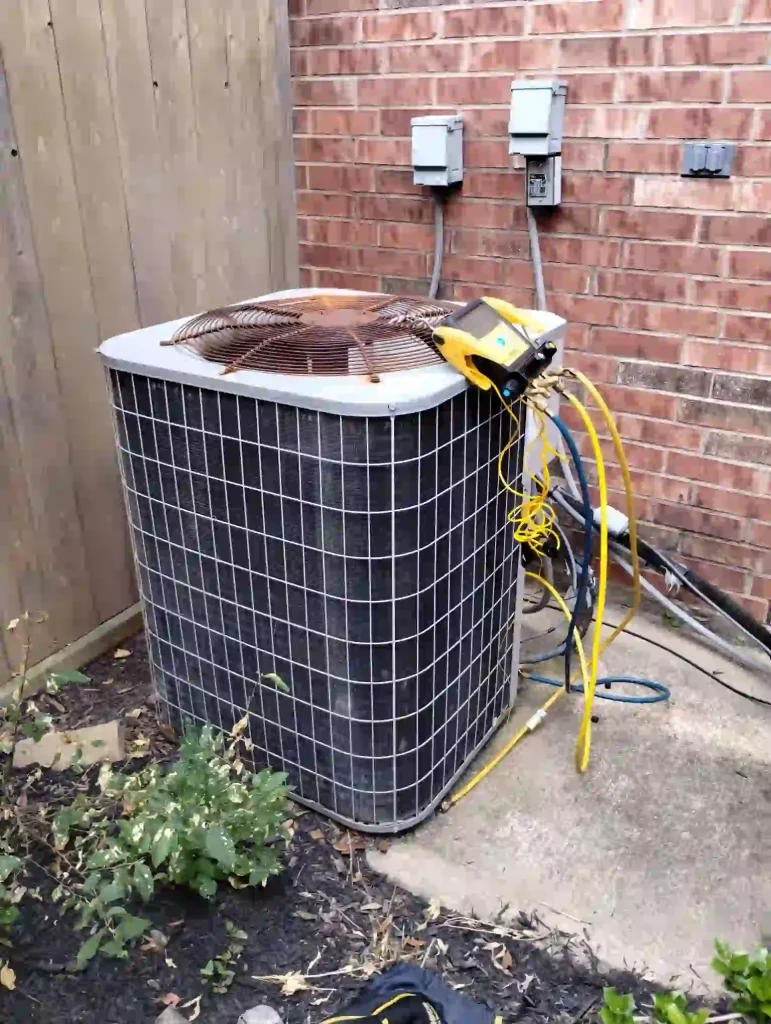
Attaching digital manifold gauges to measure subcooling and superheat levels against factory specifications.
6. Compressor Amp-Draw and Winding Tests
Measuring electrical resistance across compressor windings to check for grounded, open, or shorted motor circuits.
7. Written Repair-Versus-Replacement Recommendation
Providing an itemized diagnostic report explaining the breakdown, necessary parts, and repair options.
FAQ: How to know if AC is broken
What is the most common cause of an AC stopping suddenly?
The most frequent cause of a sudden breakdown is a tripped circuit breaker, a blown run capacitor, or a full condensate drain pan triggering a safety float switch.
Can a dirty air filter cause my AC to stop cooling completely?
Yes. A clogged filter blocks air circulation, dropping evaporator coil temperatures until moisture freezes into a solid block of ice, blocking all cooling airflow.
Why is my AC running continuously but not cooling my home?
If the outdoor unit fan and indoor blower run continuously without dropping the temperature, your system likely has low refrigerant from a leak or a failing compressor valve.
Is it safe to leave my AC running if it is making a loud squealing noise?
No. High-pitched squealing indicates high internal compressor pressure or failing motor bearings. Shut off the system immediately to prevent catastrophic mechanical failure.
Schedule AC Diagnosis With 24sevenac in Texas
When your cooling system breaks down in the middle of a hot Texas summer, waiting days for relief is not an option. At 24sevenac, our team of licensed, background-checked HVAC technicians provides fast diagnostic testing and long-lasting repairs across Texas.
Whether you are dealing with warm air, unexplained electrical issues, water leaks, or an aging system that needs replacement, we provide transparent upfront pricing, comprehensive warranties, and 24/7 service.
Call 24sevenac today or book your professional AC diagnostic inspection online to restore cool, efficient comfort to your home!