
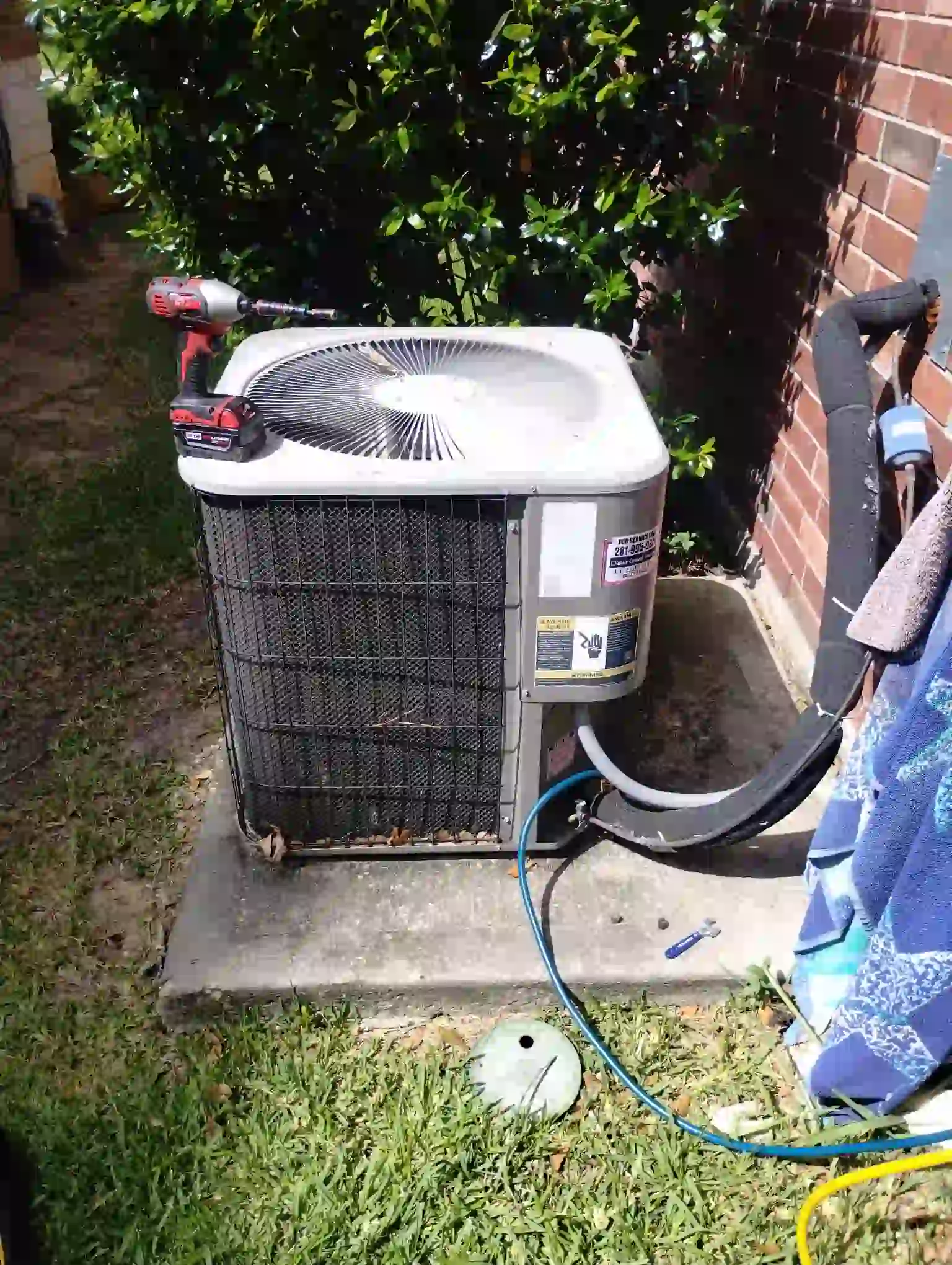
When summer temperatures climb, a broken air conditioner is an absolute emergency. One of the most common questions homeowners ask when their cooling system fails is, “Can you repair AC condenser units, or are you forced to pay for a costly, complete system replacement?”
The outdoor condenser is the workhorse of your system, responsible for releasing heat from your home. While some minor electrical or fan-related condenser issues are straightforward fixes, internal structural failures like a severely leaking coil often force a different conversation. In this comprehensive guide, we will break down exactly what can be fixed, what it costs across the United States in 2026, and when it is smarter to invest in a replacement.
Quick Answer: Can AC Condensers Be Repaired?
The Short Answer: Yes, an AC condenser can be repaired if the failure is electrical (such as a bad starting capacitor or contactor) or mechanical (like a broken fan motor). However, if the condenser coil itself has developed multiple microscopic refrigerant leaks or severe corrosion, it usually cannot be reliably repaired and must be replaced.
If you are dealing with a structural issue like a split copper line or a single puncture, a certified technician can sometimes braze the joint. However, if the unit has general age-related corrosion, attempting to patch it is a temporary band-aid that usually fails within weeks.
2026 Cost Breakdown: Repair vs Replace by State
Regional HVAC Pricing Variations
The cost of HVAC labor and parts varies significantly depending on your geographic location, local cost of living, and regional climate demands. In 2026, severe weather patterns and new environmental regulations have driven average service prices up slightly across the country.
The table below shows the typical 2026 cost comparison for professional repairs versus a full condenser replacement in five major states:
2026 Regional Price Comparison Table
| State | Avg. Minor Repair Cost (Capacitor/Fan Motor) | Avg. Major Repair Cost (Brazing/Coil Fix) | Avg. Condenser Replacement Cost (Unit + Labor) |
|---|---|---|---|
| California (CA) | $250 – $450 | $800 – $1,800 | $3,500 – $6,500 |
| Texas (TX) | $180 – $350 | $600 – $1,400 | $2,800 – $5,200 |
| Florida (FL) | $170 – $320 | $550 – $1,300 | $2,900 – $5,400 |
| New York (NY) | $280 – $500 | $850 – $2,000 | $3,800 – $7,000 |
| Illinois (IL) | $220 – $400 | $700 – $1,600 | $3,200 – $5,800 |
While fan blades and control switches are straightforward fixes, major mechanical failures inside the outdoor unit require specialized diagnostics. If your unit is making a harsh humming noise or tripping the breaker, learning how to repair AC compressor issues will help you determine whether you need a quick electrical fix or a complete system replacement.
Signs Your Condenser Is Beyond Repair
When is the damage permanent?
Before spending money on a professional AC repair, it is essential to recognize when an outdoor condenser has reached the end of its useful life. If your system exhibits any of the following severe structural issues, repair attempts are highly likely to fail:
- Pinhole Leaks Throughout the Coil: If formicary corrosion (chemical etching of the copper) has caused hundreds of microscopic leaks across the tubing, patching one leak will simply cause pressure to blow out another weak spot nearby.
- Severe Aluminum Fin Corrosion: In coastal regions, salt air eats away at the aluminum fins. Once the fins crumble, the coil can no longer transfer heat, rendering the condenser useless even if the copper lines are intact.
- Age Exceeding 10 to 12 Years: Older systems operating on outdated refrigerants are structurally worn. Replacing parts on a unit of this age is rarely a wise long-term investment.
DIY Temporary Fixes That Work (And When They Fail)
The Reality of Temporary Patches
If your budget is tight, you might wonder if you can apply a quick DIY patch to keep your home cool. Homeowners frequently ask if they can use specialized epoxies like JB Weld or quick-setting copper sealants to close a physical gap in a copper line.
While these chemical patches can theoretically stop a low-pressure pinhole leak for a few days, they will almost always fail under normal operational conditions. An AC condenser operates under extreme pressures—frequently exceeding 300 to 400 PSI (pounds per square inch) when running on modern R-410A refrigerant. The chemical bond of epoxy simply cannot withstand these massive internal forces, causing the patch to rupture and dump your expensive refrigerant into the atmosphere.
Step-by-Step: How to Repair a Leaking Condenser Coil
Professional Coil Brazing Protocol
Repairing a physical leak in a condenser coil requires advanced technical training, specialized oxygen-acetylene torches, and strict compliance with environmental laws.
- 1. Locate the Leak: Diagnostic Step.
The technician uses an electronic halogen leak detector or applies high-viscosity bubble solution to the pressurized coil to pinpoint the exact location of the fracture.
- 2. Reclaim the Refrigerant: EPA Mandated Step.
Using a commercial recovery machine and an EPA-certified cylinder, the technician safely pumps out and stores all remaining refrigerant from the system.
- 3. Braze the Copper Joint: Mechanical Repair.
The technician cleans the damaged copper area with emery cloth, applies flux, and uses an oxygen-acetylene torch with silver alloy brazing rods to seal the split or hole permanently.
- 4. Nitrogen Pressure Test: Quality Control.
The system is pressurized with dry nitrogen gas up to 150 PSI and monitored closely with a digital manifold gauge to ensure the new weld holds perfectly under pressure.
- 5. Pull a Deep Vacuum: Dehydration Process.
A high-powered vacuum pump is connected to pull the system down below 500 microns, boiling off any microscopic moisture or air that entered during the brazing process.
- 6. Recharge the Refrigerant: Calibration.
The technician weighs in fresh, virgin refrigerant using a digital scale to match the exact factory specifications printed on the condenser’s data plate.
- 7. Test Operational Pressures: Verification.
The system is started up, and the technician verifies the system’s superheat and subcooling levels to guarantee perfect, energy-efficient cooling output.
Risks of DIY AC Condenser Repair
Legal and Physical Hazards
Attempting to bypass a professional AC repair service to fix your own condenser carries immense personal and financial risks.
First, under EPA Section 608 regulations, it is a federal crime to knowingly vent chemical refrigerants into the atmosphere. Violations can carry massive fines exceeding $40,000 per day.
Additionally, working with high-voltage electricity and pressurized gases is incredibly dangerous. A single mistake while trying to wire a condenser or handle refrigerant can result in severe electrical shocks, chemical freeze burns, or permanent blindness. Finally, any uncertified DIY work will instantly void your manufacturer’s equipment warranty, leaving you fully responsible for future failures.
When to Replace Instead: 5 Red Flags
Analyzing the Long-Term Cost
Sometimes, continuing to patch an old unit is simply throwing good money after bad. If you are debating whether an air conditioner condenser should be repaired logically, watch out for these five critical replacement red flags:
- The 50% Rule: If the cost of the proposed repair exceeds 50% of the cost of a brand-new outdoor condensing unit, always choose replacement.
- Multiple Active Leaks: Finding two or more leaks in different areas of the coil indicates systemic metal degradation.
- The R-22 Legacy Factor: If your unit still uses the obsolete R-22 chemical refrigerant, repairing it is incredibly expensive due to the global phaseout.
- Constant Short-Cycling: If your compressor is drawing excessive electrical current and tripping your household breaker, the motor is failing internally.
- A Lukewarm Home After Winter: If you find your home’s AC not working after winter hibernation, and the technician identifies severe acid buildup in the oil, the entire system is contaminated.
2026 HVAC Market Trends: Condenser Replacement Statistics
The Shifting Lifecycle of Modern Cooling Systems
The HVAC industry has seen rapid technological shifts over the last several years. According to the 2026 AHRI Shipment and Equipment Lifecycle Report, approximately 70% of outdoor condensers that experience an internal coil leak or compressor failure after year 10 are replaced rather than repaired.
While the typical average lifespan of a well-maintained cooling system is 12 to 15 years, severe summer heatwaves across the southern United States have compressed this window, accelerating wear on high-stress electrical and mechanical components.
State-by-State HVAC Regulations
Refrigerant Handling and Compliance
State and federal regulations dictate exactly how repairs must be conducted:
- The EPA Mandate: Federal law requires anyone purchasing or handling chemical refrigerants to hold a valid EPA Section 608 certification.
- Regional Mandates (CA & NY): States like California and New York have implemented strict state-level environmental codes that phase out older synthetic greenhouse gases faster than the federal timeline, heavily incentivizing homeowners to upgrade to eco-friendly, high-efficiency heat pump systems.
Cost-Saving Tips: Warranty, Rebates & Financing
Offsetting Your Replacement Costs
If you face a major repair bill, you can leverage several financial resources to lower your out-of-pocket expenses:
- Check the Parts Warranty: Most major HVAC manufacturers offer a 5-to-10-year parts warranty. If your unit is under 10 years old, the expensive replacement coil or compressor might be completely covered.
- Federal Tax Credits: Under the Energy Efficient Home Improvement Credit, Installing an eligible high-efficiency system can earn you a federal tax credit of up to $2,000.
- Utility Rebates: Many local power companies offer instant cash-back rebates for upgrading to energy-efficient cooling systems.
Interactive Decision Tool: Repair or Replace?
If your system is acting up, use this interactive calculator to see whether a quick fix or a complete upgrade is the most financially sound move for your home.
Interactive Decision Tool: Repair or Replace?
Input your system details below to receive an instant, data-driven financial recommendation.
Adjust your inputs and click “Calculate Recommendation” to run the diagnostic tool.
Trust the technicians at 24SevenAC for fast AC condenser repair.
Fast, Accurate, and Transparent HVAC Solutions
When your home’s comfort is on the line, you need a team that delivers swift, honest diagnostics without high-pressure sales tactics. At 24SevenAC, our fully licensed and background-checked technicians specialize in pinpointing condenser faults.
Whether your outdoor system needs a quick capacitor swap to run smoothly again or requires a comprehensive cleaning to restore peak airflow, we have you covered. Knowing how to clean your central air unit inside and out keeps your system running efficiently, and our technicians can guide you through every maintenance step. Contact 24SevenAC today to schedule a fast, transparent diagnostic visit and restore your home’s cool air!
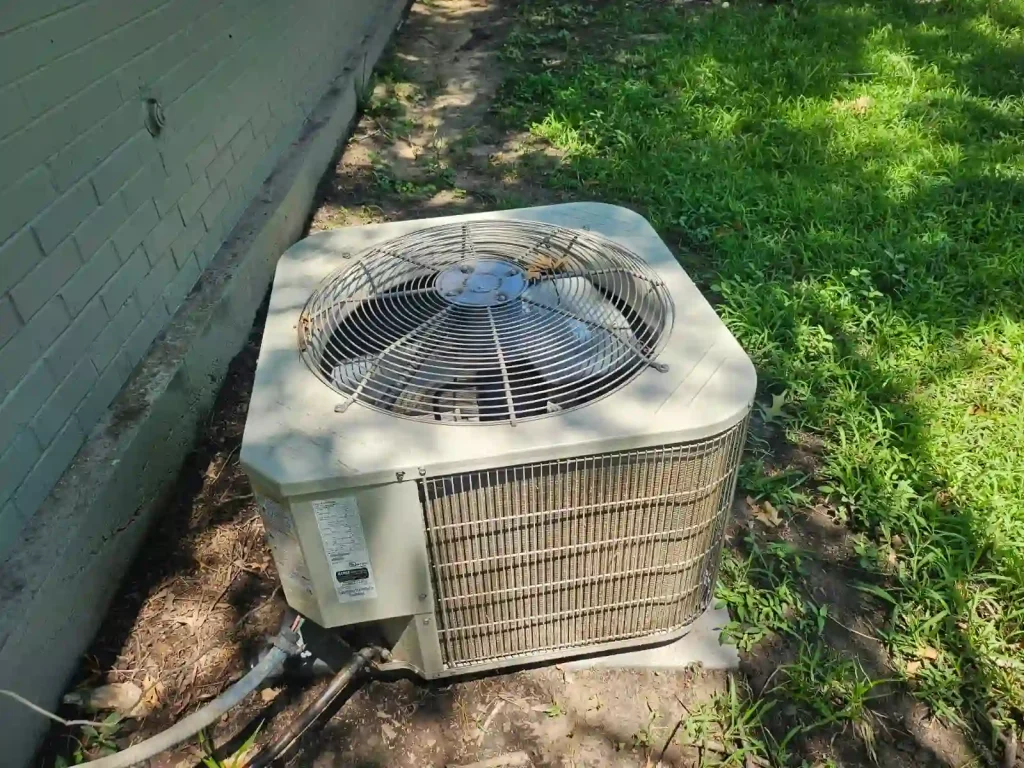
Frequently Asked Questions (FAQs)
Can I use JB Weld to fix a leaking AC condenser?
No, you should never use JB Weld or epoxy to seal a leaking AC condenser because the structural copper coils operate under immense pressure that easily exceeds 300 PSI when running, which will quickly rupture any chemical patch and cause your expensive refrigerant gas to escape into the environment.
How long does a professional condenser patch last?
A professional condenser repair, such as brazing a clean copper joint using a specialized silver alloy torch, can last for several years if the surrounding copper tubing is structurally healthy, thick, and free from extensive chemical corrosion.
Is brazing an AC condenser coil safe?
Brazing an AC condenser is safe only when executed by a licensed, EPA-certified technician who has safely recovered all volatile chemical refrigerants from the system first, as attempting to apply an open flame torch to a pressurized HVAC line will cause a hazardous explosion or release toxic gases.
What is the lifespan of an AC condenser?
A typical outdoor AC condenser lasts between 10 and 15 years, depending on local climate demands, the quality of the initial installation, and whether the system receives regular professional maintenance to keep the coils clean.
Is an AC condenser expensive to fix?
Yes, an AC condenser can be very expensive to fix if the issue involves the internal compressor motor or a major refrigerant leak, with major repairs frequently costing between $500 and $2,000.
What happens if an AC condenser is damaged?
If an AC condenser is damaged, your system will lose its ability to release heat from the refrigerant gas, resulting in poor cooling output, lukewarm air blowing from your home’s vents, and severe operational strain that can destroy your compressor.
What is the most common failure on a condenser?
The most common failure on an outdoor AC condenser is a failed dual-run capacitor, which is a small electrical starting component that frequently burns out or bulges due to intense summer heat waves.


