
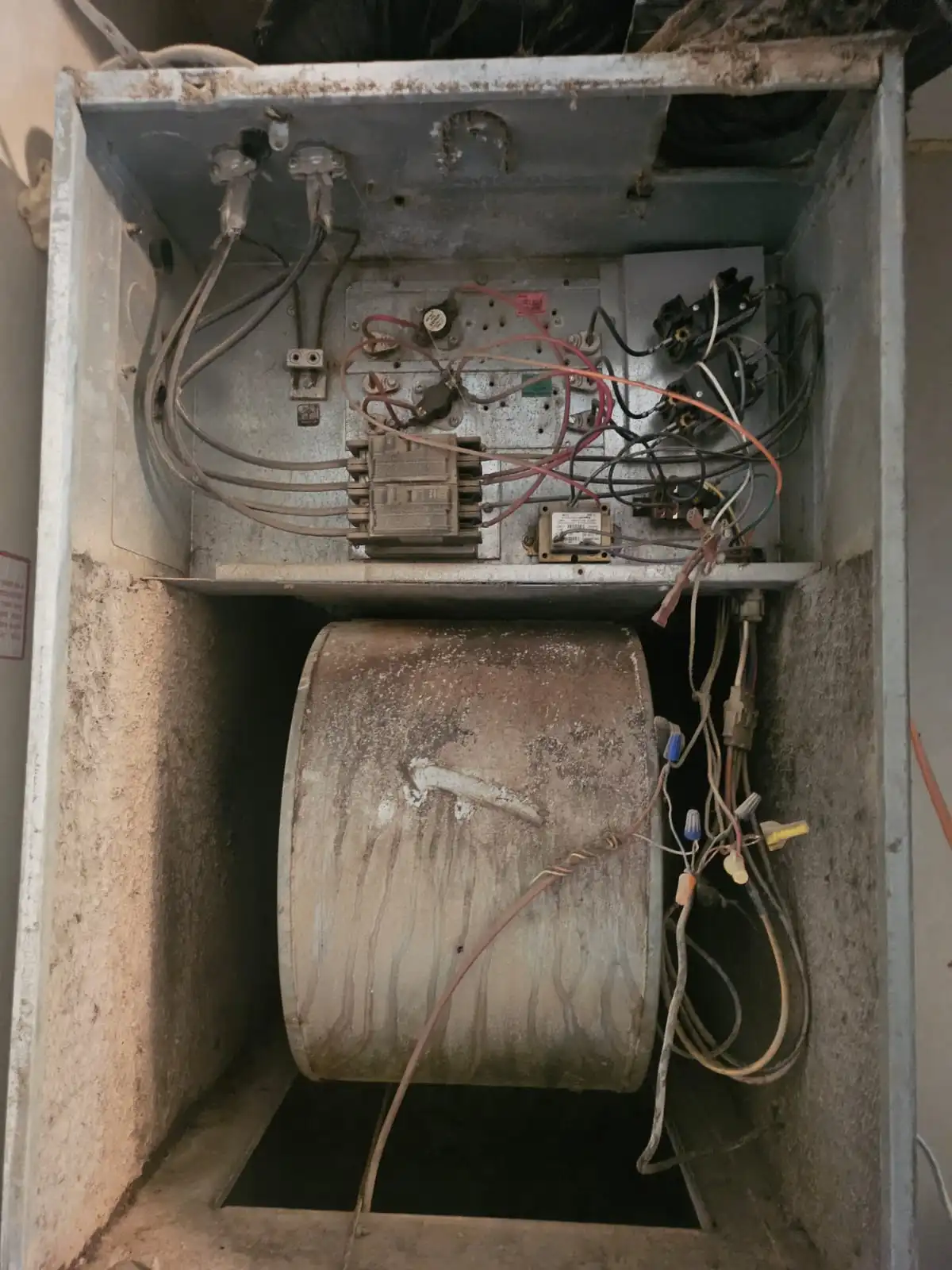
How to Clean Your Central Air Unit Inside
Learning how to clean your central air unit inside is essential for maintaining a healthy and efficient home environment. Over time, dust, pet dander, and mold spores accumulate within your system’s internal components. This buildup forces your HVAC system to work much harder than necessary, spikes your monthly energy bills, and degrades your home’s indoor air quality. This comprehensive guide walks you through the entire internal maintenance process, ensuring your cooling system operates smoothly throughout the peak Texas summer.
Importance of Cleaning the Central Air Unit
Maintaining a pristine cooling system directly affects its overall operational life and efficiency. Dust acts as an insulating blanket on your system’s components, causing mechanical strain that forces the system to consume drastically more electricity.
Enhancing Indoor Air Quality
Your HVAC system continuously circulates the air you breathe every day. Cleaning the internal components removes trapped airborne allergens, dust mites, and fungal growth before they can pollute your living spaces.
Preventing Costly System Breakdowns
A clean unit experiences far less friction and stress during operation. Regular cleaning prevents premature wear on crucial parts like the blower motor, saving you from sudden mechanical failures during extreme weather.
How to Know When It’s Time to Clean
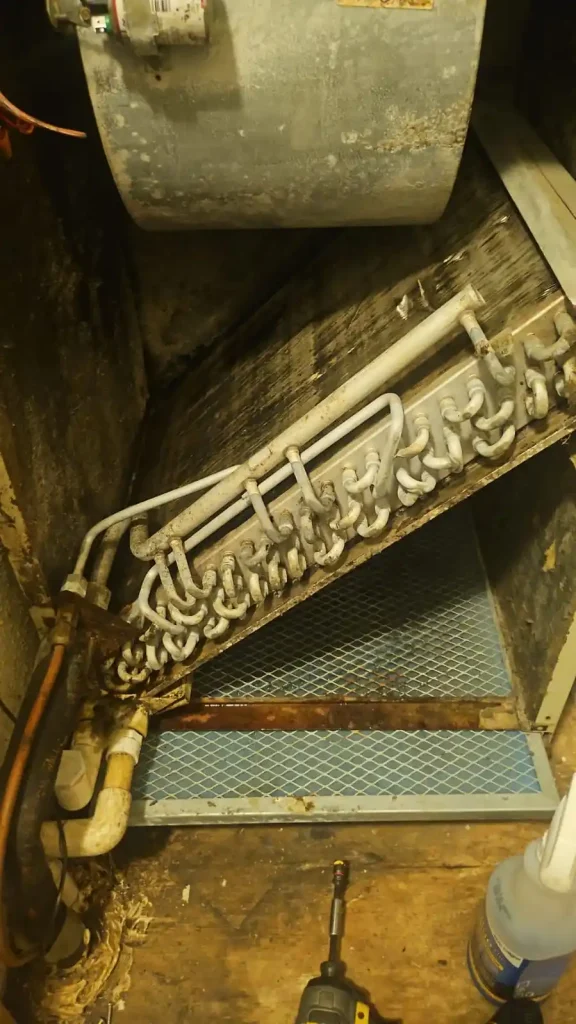
Recognizing the early warning signs of a dirty system can prevent your cooling system from suffering a catastrophic breakdown.
Visible Dirt and Reduced Airflow
If you notice a thick layer of dust accumulating on your supply vents, the internal components are likely heavily clogged. You will also notice a significant drop in the volume of air pushing out of your registers.
Regularly removing dirt from your system is crucial, especially when getting your system ready for seasonal changes. Neglecting this buildup can leave your home’s AC not working after winter hibernation due to choked components and tripped safety switches, making a deep pre-season clean the best way to prevent spring startup failures.
Unexplained Utility Bill Spikes
When internal components are coated in grime, the system must run longer cycles to reach your thermostat’s target temperature. A sudden, unexplained jump in your electricity bill is a classic indicator that the system requires a deep clean.
A Step-by-Step Guide on how to clean your central air unit inside
When tackling the task of how to clean your central air unit inside, meticulous preparation and safety must always come first.
- Step 1: Shut Off the System Power
Never attempt to service your HVAC system while it is live. Locate your main circuit breaker panel and switch off the dedicated breaker for your indoor air handler to completely eliminate any electrical shock risks.
- Step 2: Access and Vacuum the Evaporator Coil
Locate the indoor access panel and remove the screws carefully to reveal the internal coils. Utilizing a soft-bristled brush attachment on your vacuum cleaner, gently clear away the loose surface dust traveling along the fins.
- Step 3: Apply Specialized No-Rinse Cleaner
Spray a generous, even layer of a commercial, self-rinsing foaming coil cleaner directly onto the aluminum fins. As you figure out how to clean air conditioner coils inside house spaces safely, this foam will dissolve deep grime and safely drip straight down into the primary condensate drain line.
Tools and Materials Needed
- Screwdriver or Nut Driver: Needed to safely remove the access panels on your indoor air handler.
- Vacuum with Brush Attachment: Vital for clearing loose dust without bending fragile aluminum fins.
- No-Rinse Foaming Coil Cleaner: Chemically breaks down stubborn dirt without requiring manual rinsing.
- Fin Comb Tool: Used to carefully straighten any bent metal fins to maximize airflow.
When dust and debris restrict airflow inside your home, your outdoor machinery has to work twice as hard to disperse heat. This severe thermal strain frequently leads to overheating, making homeowners wonder whether they can repair AC condenser components once they break down due to prolonged neglect.
The Difference Between Condenser Coils and Evaporator Coils
Understanding your system’s anatomy helps you master how to clean ac unit inside house assemblies effectively versus outdoor components.
The Indoor Evaporator Coil
Located within your indoor air handler, the evaporator coil contains cold refrigerant designed to absorb heat from your indoor air. Because it handles moist air, it is highly prone to catching household dust and developing mold.
The Outdoor Condenser Coil
The condenser coil lives in your outdoor unit and is responsible for releasing the absorbed indoor heat into the outside atmosphere. It deals with outdoor elements like leaves, mud, lawn clippings, and sun exposure rather than indoor dust.
Restricting airflow with dirty coils forces the system’s most expensive component to work under extreme thermal strain. Over time, this overheating can burn out internal motor windings, making it essential to understand how repair AC compressor components is handled by certified technicians before severe pressure damages your unit beyond repair.
How to Clean Your AC Unit Outside
Learning How to Clean Your AC Unit Outside keeps the second half of your cooling system balanced with your clean indoor unit. Begin by turning off the outdoor disconnect switch located right next to the condenser box. Clear away any tall grass, weeds, or branches within a two-foot radius to restore unobstructed peripheral airflow. Use a regular garden hose with a gentle spray nozzle to rinse the metal fins from the top down, washing away built-up dirt, pollen, and mud. Avoid spraying water directly into the electrical control box or using high pressure that can permanently fold the delicate aluminum fins.
Common Mistakes to Avoid When Cleaning Your Air Conditioner
Minor mistakes during a routine maintenance session can accidentally result in a costly AC repair service call.
A. Using Too Much Water Pressure
Using a high-pressure source can completely flatten the delicate metal fins on your coils. Bent fins entirely choke off system airflow, causing your system to overheat rapidly or freeze over.
B. Neglecting the Condensate Drain Line
Cleaning your coils washes grime directly down into your drain pan. If you fail to flush the drain line with vinegar or clear it with a vacuum, that dislodged dirt will create a stubborn clog, causing water to overflow and damage your ceilings.
When dust and debris clog your system’s internal components, your blower and compressor motors must draw significantly more electrical current to push air through the home. This massive power draw places immense strain on your outdoor electrical panel, which is why learning what the capacitor does in an AC unit highlights the critical importance of keeping your system clean and clear of airflow blockages.
Factors that affect how often to clean your air conditioner
Not every residential home accumulates dirt and mechanical wear at the exact same rate throughout the year.
A. Pet Ownership and Smoking
Homes with multiple shedding pets or indoor smokers require much more frequent cleanings. Pet hair, dander, and residue clog indoor coils and air filters up to three times faster than standard homes.
B. Geographic Location and Environment
If your property sits near a dusty construction zone, unpaved roads, or trees that drop heavy seasonal pollen, your system will accumulate debris rapidly, requiring biannual checkups to maintain top efficiency.
Checking the manufacturer’s recommendations for cleaning your air conditioner
Always consult your specific equipment manual before applying chemical sprays or removing deep internal components. Many modern manufacturers place strict stipulations on what types of chemical cleaners are permitted on their proprietary metal alloys. Using unapproved acids or household detergents can inadvertently corrode the coils and completely void your active manufacturer’s warranty.
How to Maintain Your Air Conditioner after cleaning
Post-cleaning habits are what keep your system running optimally for the rest of the cooling season.
- Change Filters Regularly
The single most effective way to preserve your clean indoor unit is changing your air filter every 30 to 90 days. A clean filter acts as a shield, stopping dust before it can settle on your freshly scrubbed evaporator coils.
- Keep Vents Unobstructed
Ensure your supply vents and return grilles are completely free of furniture, heavy drapes, or toys. Obstructed vents create air pressure imbalances that force your clean internal blower motor to work double-time.
Allowing dust and debris to accumulate inside your HVAC system can trigger internal safety switches that cut off electrical power entirely. If your routine maintenance was delayed and you are suddenly facing an air conditioner and thermostat not working, a tripped float switch or a blown low-voltage fuse is likely responsible for the sudden blackout.
Schedule An AC Cleaner Appointment With 24sevenac
If your House Air Conditioner Not Cooling efficiently even after a basic cleanup, it is time to bring in professional assistance. Deep internal cleaning requires specialized tools and technical expertise to avoid damaging fragile components. By choosing 24SevenAC, you get thorough, mess-free maintenance that restores your system’s SEER2 efficiency. Our experienced technicians handle the dangerous electrical work and precision cleaning so you can enjoy a cool, worry-free home all summer long.
Frequently Asked Questions
Can I clean the inside of an air conditioner?
Yes, you can clean basic internal components like the air filters, the blower fan blades, and the accessible surfaces of the evaporator coil using light vacuuming and a specialized no-rinse foaming spray. However, deep cleanings that require removing the blower assembly or disconnecting internal electrical wires should always be handled by a licensed professional to ensure safety and prevent system damage.
How often should you clean your central air unit?
You should clean your central air unit at least once a year, ideally during the early spring before the intense summer heat sets in. If you have indoor pets, suffer from severe seasonal allergies, or live in a highly dusty environment, your system will benefit greatly from a secondary internal cleanup right before the winter heating season begins.
Can I clean my AC by myself?
You can independently handle basic maintenance tasks such as washing the exterior cabinet, rinsing the outdoor coils with a garden hose, replacing your air filters, and vacuuming loose dust off the indoor coils. You should not attempt to handle internal electrical repairs, clean clogged internal drain pans, or handle chemical flushes yourself, as these tasks pose safety risks and require technical tools.
How much does it cost for someone to clean your AC unit?
A professional AC cleaning tune-up typically costs between $100 and $300 depending on your location, the current condition of your system, and the overall complexity of the layout. If your indoor evaporator coils are heavily impacted with mold and require a complete chemical extraction and removal process, the specialized service cost can range from $400 to $800.
Can I use a pressure washer to clean my AC unit?
No, you should never use a pressure washer to clean any part of your air conditioner unit. The intense, concentrated water stream from a pressure washer will instantly flatten and destroy the fragile aluminum fins on your coils, permanently blocking crucial system airflow and leading to an expensive compressor failure.
Does cleaning my AC unit make it run quieter?
Yes, thoroughly cleaning your AC unit can significantly lower its operational noise levels. Removing heavy dirt buildup from the blower fan blades restores their natural balance, removing annoying vibrations, while cleaning the coils eliminates the heavy airflow restriction that causes your system to hiss, whistle, or strain loudly during cycles.


