Home Air Conditioner Check up in Texas
A routine home air conditioner check up keeps your system reliable. Scheduling a professional home air conditioner check up before summer prevents sudden breakdowns, lowers power bills, and extends the operational life of your central air system during scorching weather.
Quick Answer: What Is Included in a Home Air Conditioner Check up?
A home AC checkup usually includes thermostat testing, filter and airflow inspection, electrical and capacitor testing, condenser and evaporator coil inspection, condensate-drain testing, refrigerant-performance checks, safety-control testing, and a cooling test. A professional should document important readings and explain any repair before starting paid work.
A complete home AC checkup confirms every mechanical and electrical part operates safely. The technician records operational metrics, cleans critical parts, and provides a full system health report.
AC Checkup vs. AC Repair vs. Maintenance Plan
Homeowners often confuse a routine air conditioner maintenance visit with repair calls or ongoing service agreements. Understanding the differences prevents unexpected expenses and helps you choose the right service level for your cooling system.
| Term | Primary Goal | When to Schedule | Typical Scope |
| Checkup | System diagnostic & health check | Spring or before heatwaves | Visual checks, safety testing, operational readings |
| Tune-up | Preventive cleaning & adjustment | Annually (Pre-season) | Deep coil washing, electrical tightening, calibration |
| Repair | Fix active mechanical failure | When system breaks down | Component replacement, leak solder, wiring fixes |
| Maintenance Plan | Recurring service & perks | Year-round agreement | 2 annual visits, priority scheduling, repair discounts |
A basic ac unit checkup identifies minor component wear before it turns into a total system failure.
The Complete 21-Point Home AC Inspection Checklist
A thorough central AC inspection follows an itemized, multi-point protocol. This ensures that every component—from electrical wiring to drainage lines—receives proper evaluation.
Thermostat and Controls
- What is checked: Calibration, display settings, and wiring connections.
- Why it matters: An inaccurate thermostat causes continuous running or short-cycling.
- Red flag: Temperature discrepancy greater than 2 degrees between room ambient and thermostat reading.
- Homeowner safe? Yes, replacing batteries and setting schedules is safe for homeowners.
Filter and Return Airflow
- What is checked: Filter cleanliness, MERV rating, and return grill clearance.
- Why it matters: Restricted filters reduce cooling efficiency and cause frozen evaporator coils.
- Red flag: Heavy dust buildup, bent filter frames, or whistling duct noises.
- Homeowner safe? Yes, changing air filters monthly is safe and recommended.
Electrical Connections
- What is checked: Line voltage terminals, contactor lug tightness, and wire insulation.
- Why it matters: Loose connections create electrical resistance, leading to melted wires or fire hazards.
- Red flag: Scorched insulation, pitted contactor points, or burnt electrical smells.
- Homeowner safe? No, dangerous high-voltage circuits require professional tools.
Capacitor and Contactor
- What is checked: Microfarad ($\mu\text{F}$) output rating against factory specifications.
- Why it matters: Weak capacitors cause hard compressor starts, leading to motor burnout.
- Red flag: Swollen top casing, leaking fluid, or microfarad drop beyond 5% tolerance.
- Homeowner safe? No, capacitors hold lethal electrical charges even when power is off.
Condenser Coil and Fins
- What is checked: Dirt buildup, bent aluminum fins, and airflow obstructions.
- Why it matters: Dirty outdoor coils cannot release heat, driving up power consumption.
- Red flag: Flattened fins, thick lawn debris, or heavy dirt accumulation.
- Homeowner safe? Homeowners can gently clear away leaves; coil cleaning requires professional equipment.
Outdoor Fan and Motor
- What is checked: Motor amperage draw, fan blade balance, and bearing play.
- Why it matters: A failing fan motor leads to dangerous high system pressure.
- Red flag: Screeching noises, slow fan rotation, or excessive top motor heat.
- Homeowner safe? No, testing internal motor windings requires specialized diagnostic meters.
Compressor Operating Readings
- What is checked: Running Amps (RLA), start-up surge current, and crankcase heater function.
- Why it matters: The compressor is the most expensive part of your central air conditioner.
- Red flag: High amperage draw or metallic grinding sounds during startup.
- Homeowner safe? No, requires high-voltage diagnostic clamp meters.
Evaporator Coil Condition
- What is checked: Mold growth, dust buildup, and fin integrity inside the air handler.
- Why it matters: Dirty coils restrict indoor airflow and breed biological growth.
- Red flag: Ice formation, mold odors, or blocked air distribution.
- Homeowner safe? No, accessing attic or closet air handlers requires removing sealed panels.
Blower Wheel and Motor
- What is checked: Blower wheel cleanliness, motor bearings, and belt tension.
- Why it matters: The blower distributes conditioned air throughout your home’s duct network.
- Red flag: Excessive vibration, rattling sounds, or weak airflow from registers.
- Homeowner safe? No, accessing blower housing requires electrical disconnections.
Condensate Pan and Drain Line
- What is checked: Secondary drain pan condition, trap function, and primary line flow.
- Why it matters: Clogged lines cause water overflow, destroying drywall and ceilings.
- Red flag: Standing water in emergency pan, algae buildup, or tripped float switches.
- Homeowner safe? Homeowners can pour vinegar down the cleanout T-trap; clearing deep clogs requires professional vacuum equipment.
Refrigerant-Line Insulation
- What is checked: Suction line foam insulation for tears, UV decay, or missing sections.
- Why it matters: Damaged insulation causes condensation dripping and efficiency loss.
- Red flag: Bare copper line exposure, flaking foam, or water spots on ceilings.
- Homeowner safe? Yes, installing pre-split foam insulation pipe wrap is safe for homeowners.
Temperature Split
- What is checked: Temperature delta between return air and supply air registers.
- Why it matters: Confirms whether the refrigeration cycle is absorbing heat effectively.
- Red flag: Temperature difference below 16°F or above 22°F under normal operating conditions.
- Homeowner safe? Yes, measuring register temperatures with a basic thermometer is safe.
Safety Controls
- What is checked: High/low pressure cutout switches, emergency float switches, and furnace roll-out sensors.
- Why it matters: Safety switches shut system power down before structural water damage or fires occur.
- Red flag: Corroded float switch wiring or bypassed safety jumper wires.
- Homeowner safe? No, testing safety trip points requires specialized diagnostic tools.
Equipment Age and Serial Number
- What is checked: Data plate validation, manufacture date, and warranty status.
- Why it matters: Helps homeowners evaluate repair costs against system replacement value.
- Red flag: Equipment older than 12 years operating with obsolete R-22 refrigerant.
- Homeowner safe? Yes, photographing the serial plate for recordkeeping is safe.
Final Operating Test
- What is checked: System performance during a continuous 15-minute cooling cycle.
- Why it matters: Verifies operating stability, thermostat communication, and drainage function.
- Red flag: System short-cycling, unusual cabinet vibrations, or rising indoor humidity.
- Homeowner safe? Yes, observing system operation during daily use is safe.
Thermostat, Filter, and Airflow Checks
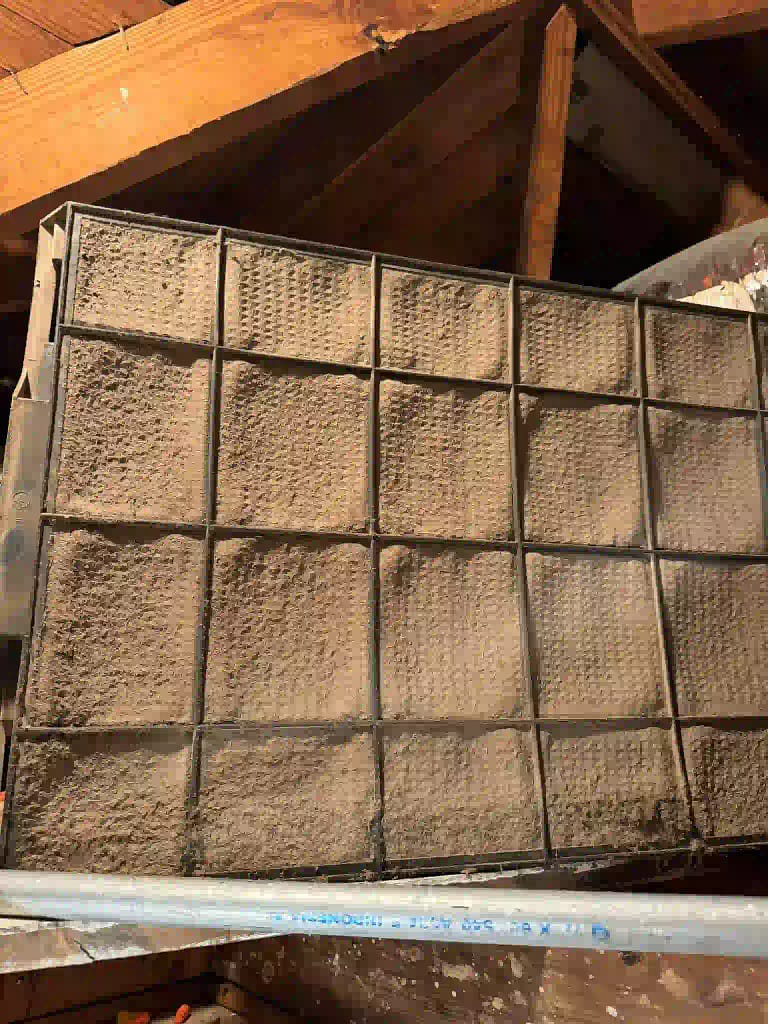
Maintaining proper airflow is essential for central cooling efficiency. A comprehensive home air conditioner check up begins with evaluating the return air path, air filter cleanliness, and thermostat calibration.
When thermostat communication fails, your system may stop cooling entirely. If you notice your Conditioner and Thermostat Not Working?, a professional technician will check low-voltage wiring, control board fuses, and transformer output.
Return Air Grill
Pulls warm indoor air from living spaces into system.
Air Filter
Captures airborne dust, lint, and debris.
Evaporator Coil
Absorbs heat and dehumidifies indoor air.
Blower Motor & Duct Network
Pushes cooled air back through supply registers.
Electrical Safety and Capacitor Testing
High-voltage electrical components undergo high thermal stress during heatwaves. During an AC tune-up, technicians inspect contactors, relays, and capacitors using precision multimeters.
Capacitors store high voltage to start the compressor and fan motor. Over time, heat causes internal degradation, lowering their microfarad output.
Safety Warning: Homeowners should never open electrical disconnect boxes or touch capacitors. They store dangerous electrical charges even when main circuit breakers are turned off.
Condenser Coil, Fan, and Outdoor Unit Inspection
The outdoor condensing unit transfers absorbed indoor heat into the outside air. Direct sun, dirt, and lawn debris coat aluminum fins, reducing heat transfer capacity.
A professional air conditioner checkup includes clearing debris, straightening bent fins, and washing the coil with low-pressure water.
If physical damage is found on outdoor aluminum fins, homeowners often ask: Can You Repair AC Condenser Units?. While minor fin damage can be combed flat, severe coil cracking or corrosion requires full coil replacement.
Evaporator Coil, Drain Line, and Indoor Unit Checks
The indoor evaporator coil operates in a dark, humid environment. Moisture condensing on the coil drains into the primary pan, carrying airborne dust and microbial spores into the drain line.
Over time, algae growth blocks the condensate drain line, triggering emergency float switches or causing water damage to ceilings.
If a technician identifies dark, oily spots on copper tubing during an inspection, you may be facing a refrigerant leak. Homeowners often ask Can You Repair AC Coil Leak? when pinholes are found. While isolated copper pinholes can sometimes be brazed, widespread corrosion requires replacing the coil.
Refrigerant and Cooling-Performance Measurements
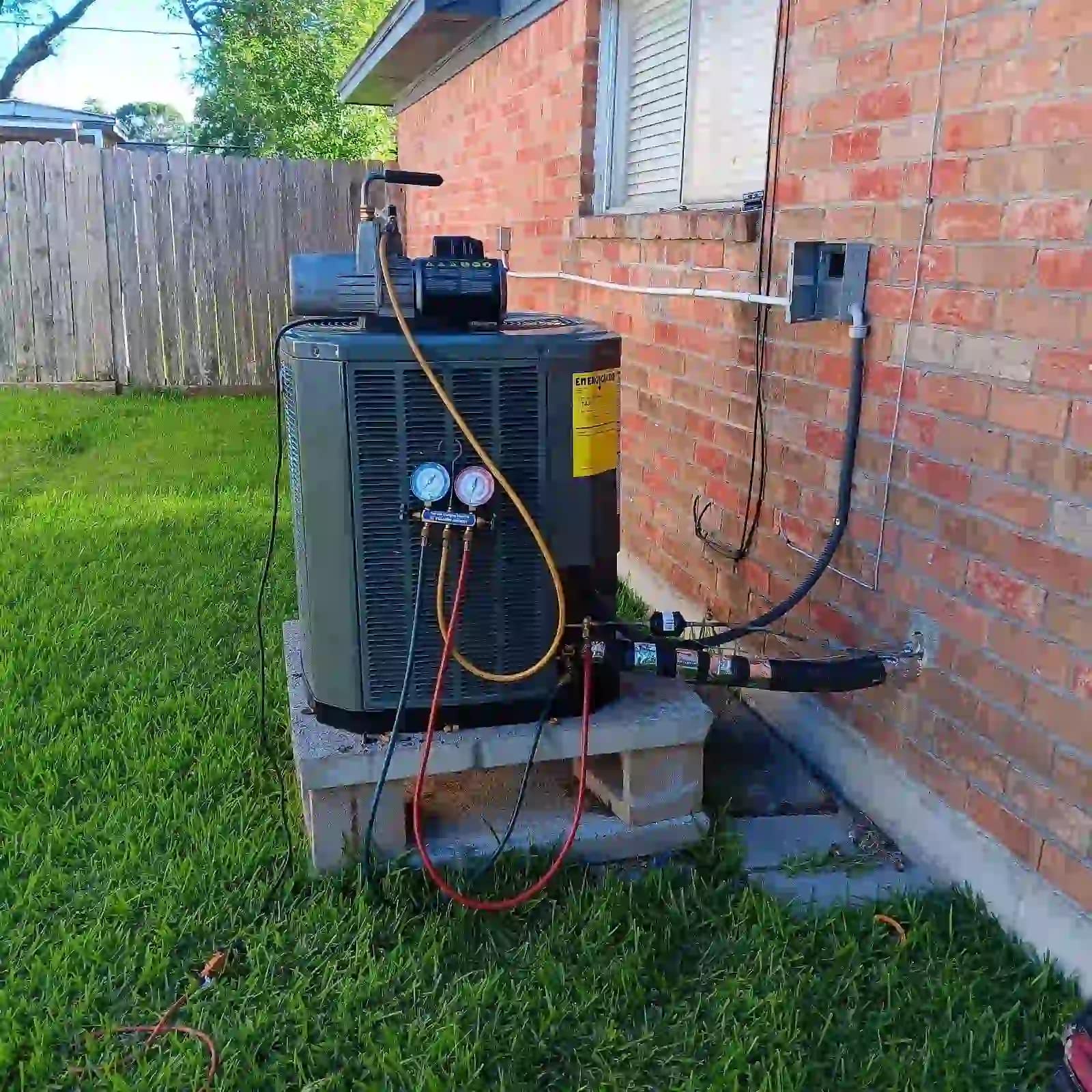
A certified HVAC technician verifies refrigerant charge using manifold gauges, calculating subcooling and superheat to confirm exact system balance.
If subcooling or superheat readings fall outside factory standards, your system is likely operating with a refrigerant leak or restriction.
If performance metrics reveal severe mechanical failure in the cooling circuit, you may need to learn How Repair AC Compressor? procedures or evaluate whether replacing the motor is cost-effective compared to installing new equipment.
What a Homeowner Can Check Safely
While high-voltage and refrigerant diagnostics require EPA certification, homeowners can perform basic monthly maintenance safely:
- Filter Replacements: Swap 1-inch air filters every 30 to 60 days.
- Clear Outdoor Clearance: Keep bushes, weeds, and debris trimmed at least 2 feet away from the outdoor unit.
- Visual Drain Inspections: Check that the exterior PVC drain line drips steadily while the system is cooling.
- Thermostat Battery Swaps: Replace batteries annually to prevent thermostat communication drops.
Knowing basic maintenance steps makes it easier to spot system changes early. Recognizing these warning signs early helps you understand How to Know If AC Is Broken before complete system failure occurs.
How Often Should You Schedule an AC Checkup?
In warm southern climates like Texas, cooling systems operate for over 2,000 hours per year.
| Frequency | Target Season | Primary Benefit |
| Twice Per Year (Recommended) | Spring (AC) & Fall (Heating) | Maximum efficiency, prevents emergency summer outages |
| Once Per Year (Minimum) | Early Spring (March – April) | Catches component wear before high summer heat |
| Every 2 Years (High Risk) | Not recommended in Texas | Leads to higher power bills and premature component failure |
2026 AC Tune-Up Cost in Texas
Understanding service pricing helps homeowners budget for preventative care and evaluate individual service quotes.
| Service Tier | Estimated Texas Price Range | Key Deliverables Included |
| Basic Single-System Checkup | $100 – $175 | Visual inspection, basic electrical check, filter check |
| Comprehensive Professional Tune-Up | $150 – $300 | Coil washing, drain flushing, full electrical testing |
| Deep-Cleaning & Diagnostic Visit | $175 – $350 | Chemical coil washing, deep blower wheel cleaning |
| Annual Maintenance Membership (2 Visits) | $300 – $650 / year | Spring & Fall visits, priority booking, repair discounts |
Price variations depend on system accessibility (attic vs. closet), number of zones, and whether chemical coil cleaning is required.
Houston, Dallas, Austin, and San Antonio Examples
Texas regional microclimates affect air conditioning systems differently across the state:
- Houston & Katy: High ambient humidity causes algae growth in drain lines. Proactive drain treatment and humidity checks are essential.
- Dallas–Fort Worth: High heatwaves push attic temperatures above 140°F. Thorough capacitor and electrical terminal checks prevent thermal failures.
- Austin & Round Rock: High seasonal cedar and oak pollen coat outdoor coils quickly, requiring frequent coil washing.
- San Antonio: Extended summer cooling seasons increase mechanical wear on compressor bearings and blower motors.
- Sugar Land & Pearland: Coastal moisture accelerates rusting on outdoor cabinet panels and electrical contacts.
Estimating replacement timelines is easier when you understand regional wear factors. If aging equipment requires replacement, review the estimated Cost for HVAC Replacement in Texas to plan your budget.
Is an AC Maintenance Plan Worth It?
Enrolling in an annual maintenance membership provides financial and operational protection for homeowners.
+----------------------------------------------------------------------------------------------------+
|                                Annual Maintenance Plan Value Flow                                  |
|                                                                                                    |
|   +---------------------------+       +--------------------------+       +---------------------+   |
|   |   2 PREVENTIVE VISITS     |  ==>  |   EARLY WEAR DETECTION   |  ==>  | LOWER POWER BILLS   |   |
|   | Included in annual plan   |       | Replaces weak capacitors |       | Clean coils run 15% |   |
|   +---------------------------+       +--------------------------+       | more efficiently    |   |
|                                                                          +---------------------+   |
|                                                                                     ||             |
|                                                                                     \/             |
|   +---------------------------+       +--------------------------+       +---------------------+   |
|   |  EXTENDED SYSTEM LIFE     |  <==  |  DISCOUNTED REPAIR RATES |  <==  |  PRIORITY DISPATCH  |   |
|   | Adds 3-5 years to unit    |       | Save 15% on parts/labor  |       | Jump summer queue   |   |
|   +---------------------------+       +--------------------------+       +---------------------+   |
+----------------------------------------------------------------------------------------------------+
Memberships typically include two inspections per year, priority emergency booking during heatwaves, and discounts on replacement parts.
Red Flags Found During a Checkup
During a routine home air conditioner check up, technicians may identify critical warning signs that require immediate attention:
- Swollen Capacitors: Indicates imminent failure that can damage the compressor motor.
- Pitted Contactor Contacts: Creates electrical arcing, which can burn out fan motors.
- Microbial Growth in Air Handler: Spreads spores throughout household ductwork, worsening indoor air quality.
- Burnt Electrical Terminal Wires: Poses a fire hazard and risks system failure.
- Refrigerant Pressure Drops: Points to an active leak in the copper tubing or solder joints.
If diagnostic findings require immediate repairs, homeowners often ask: Can You Claim AC Repair on Taxes?. While standard residential repairs are generally not tax-deductible, energy-efficient upgrades may qualify for federal tax credits.
When a checkup uncovers major mechanical issues, you can schedule an ac repair service to resolve failures before heatwaves arrive.
Book a Texas AC Checkup With 24sevenac
Don’t wait for a heatwave to find out your air conditioner is struggling. A professional home air conditioner check up from 24sevenac keeps your home cool, protects your equipment, and reduces energy costs.
Our licensed Texas HVAC technicians (TACLA122806E) deliver detailed multi-point inspections, clear diagnostic reports, and upfront pricing across Houston, Katy, Sugar Land, and surrounding areas.
Call 24sevenac today or book your home AC checkup online to secure your pre-season tune-up!