Find your home AC not working after winter? It is a stressful way to start a Texas spring. Cooling systems often struggle to resume their normal operation after months of dormancy. Whether it is a dead capacitor or a simple thermostat glitch, identifying why your home AC not working after winter is the first step to staying cool. This guide breaks down common causes and expert fixes for your cooling system before the heat truly arrives.
6 Reasons home ac not working after winter
If you discover your home AC not working after winter, the culprit is usually one of these six common issues. Dormancy allows dust to settle and components to seize, making that first startup difficult for older systems.
Electrical and Control Issues
- Tripped Circuit Breakers: A sudden surge during startup can trip the breaker. Please check your electrical panel first.
- Thermostat Glitches: Sometimes the solution is as simple as dead batteries or the thermostat being set to “Heat” instead of “Cool.”
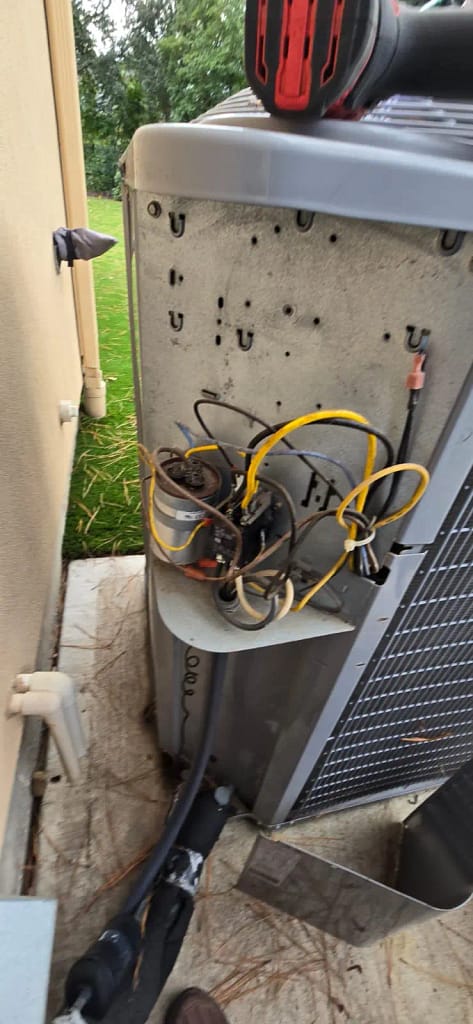
- Dead Capacitors: These small components provide the “jumpstart” your compressor needs. They often fail after sitting idle in the cold.
Mechanical and Airflow Blocks
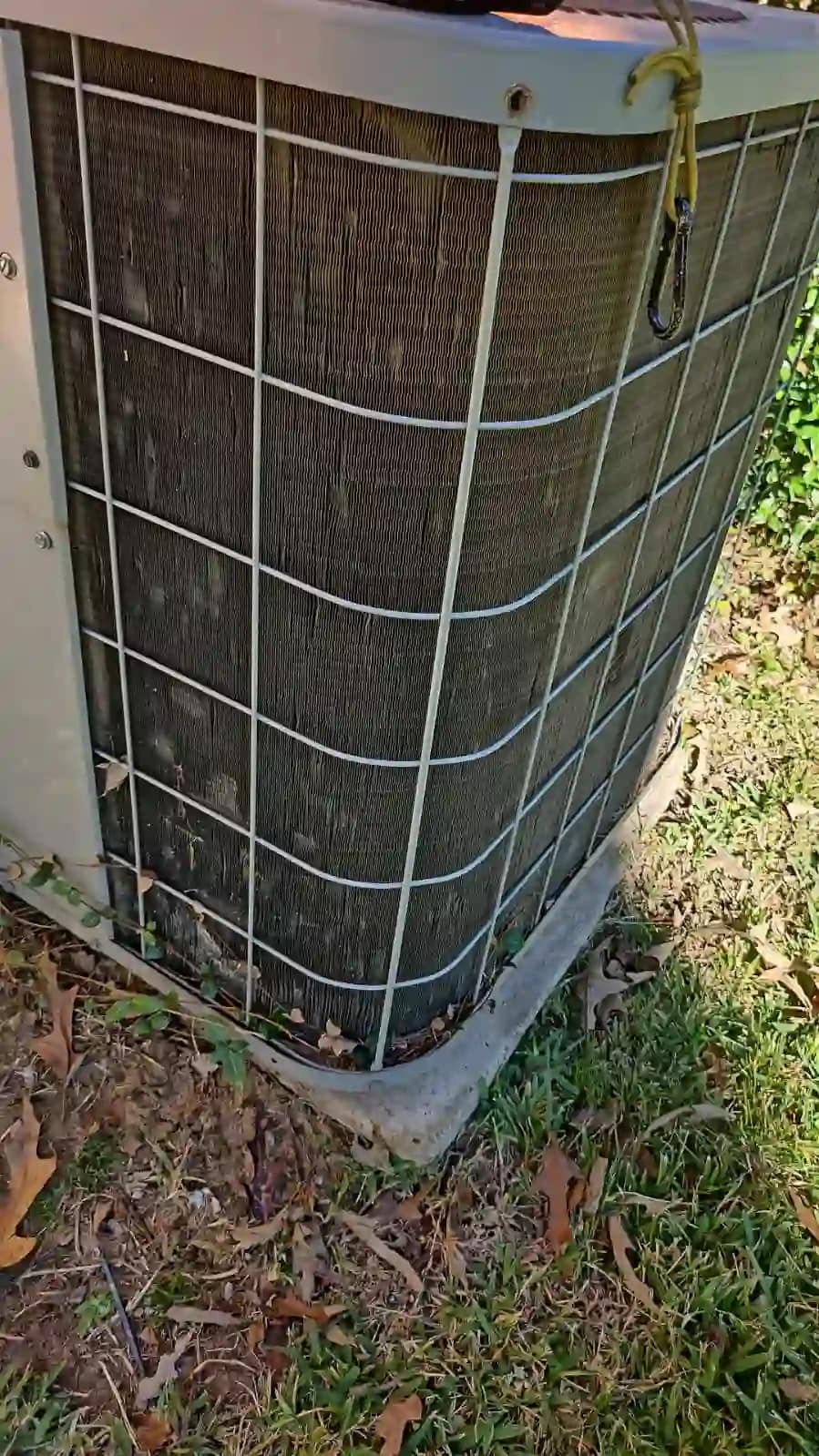
- Dirty Evaporator Coils: Dust buildup prevents heat exchange. Knowing how to clean your central air unit inside, you can resolve this issue before it causes a total shutdown.
- Refrigerant Leaks: Tiny vibrations during winter can worsen small leaks, leaving you with no cooling power by spring.
- Critter Damage: Rodents often seek shelter in outdoor units, chewing through vital wiring while the system is off.
| Checkpoint | Action | Potential Fix |
|---|---|---|
| Thermostat | Check Mode & Batteries | Set to “Cool”; Replace AA batteries |
| Breaker Box | Look for “Tripped” switches | Flip switch OFF, then back to ON |
| Air Filter | Inspect for gray/black dust | Replace with a fresh MERV-8 filter |
| Outdoor Unit | Check for debris/leaves | Clear a 2-foot radius around unit |
Swipe table horizontally if viewing on a small mobile device.
When Should I Turn On My Air Conditioning for the First Time?
Most experts recommend waiting until outdoor temperatures are consistently above 65°F (18°C). Testing your system too early, when it is still cold outside, can actually damage the compressor because the oil inside is too thick to lubricate properly.
Timing your first “test run” helps you determine how long AC units last in your specific environment. If your system is over 12 years old and struggles to start during a 75-degree afternoon, it may be nearing the end of its functional lifespan.
How To Properly Turn On Your Air Conditioner The First Time After Winter
Avoid simply flipping the switch and leaving. Follow these steps to ensure a safe transition from winter to spring:
- Inspect the Outdoor Unit: Remove any covers and clear away grass, dirt, or nests.
- Change the Filter: A clogged filter is the #1 cause of airflow issues.
- Inspect the Lines: Look for any fraying wires or oily residue on the copper pipes (a sign of a leak).
- Slow Start: Set the thermostat to “Cool” and lower the temperature by only two degrees to see if the system responds.
What to Do if Your Central Air is Not Working
Finding your central home AC not working after winter requires a systematic approach to avoid further damage. If your system is struggling, follow these steps:
- Start with the basics: Ensure your air filters are fresh and the outdoor condenser unit is completely free of leaves, dirt, or winter debris.
- Check the airflow: If the fan is spinning but the air coming from the vents isn’t cold, you may be facing a compressor failure or a refrigerant leak.
- Verify power and settings: Double-check your electrical panel for tripped breakers and ensure the thermostat is set to “Cool” with a temperature lower than the current room heat.
- Stop the system immediately: If you have checked the power but still find your home AC not working after winter, do not continue to run the unit. Forcing a malfunctioning system can lead to a burnt-out motor.
- Inspect the safety switches: Examine the condensate drain line for clogs; many modern systems will automatically shut down if water backs up to prevent indoor flooding.
Prevent Future AC Cooling Issues
The best way to ensure your home AC doesn’t stop working after winter is through proactive care. An annual check-up in early March identifies worn parts before they fail. While there is an upfront HVAC maintenance cost, it is significantly lower than the cost of an emergency repair in the middle of a July heatwave. Regular maintenance keeps your energy bills low and ensures your warranty remains valid.
Why Spring AC Problems Are Common in Texas
In Texas, we experience wild temperature swings. One day it is 40 degrees, and the next it is 80. This “yo-yo” effect puts immense pressure on your HVAC system. Moisture from spring rains can also lead to mold growth on damp coils if they weren’t cleaned properly. Understanding why your home’s AC is not working after winter often comes down to the high humidity and rapid starts required by the Houston climate.
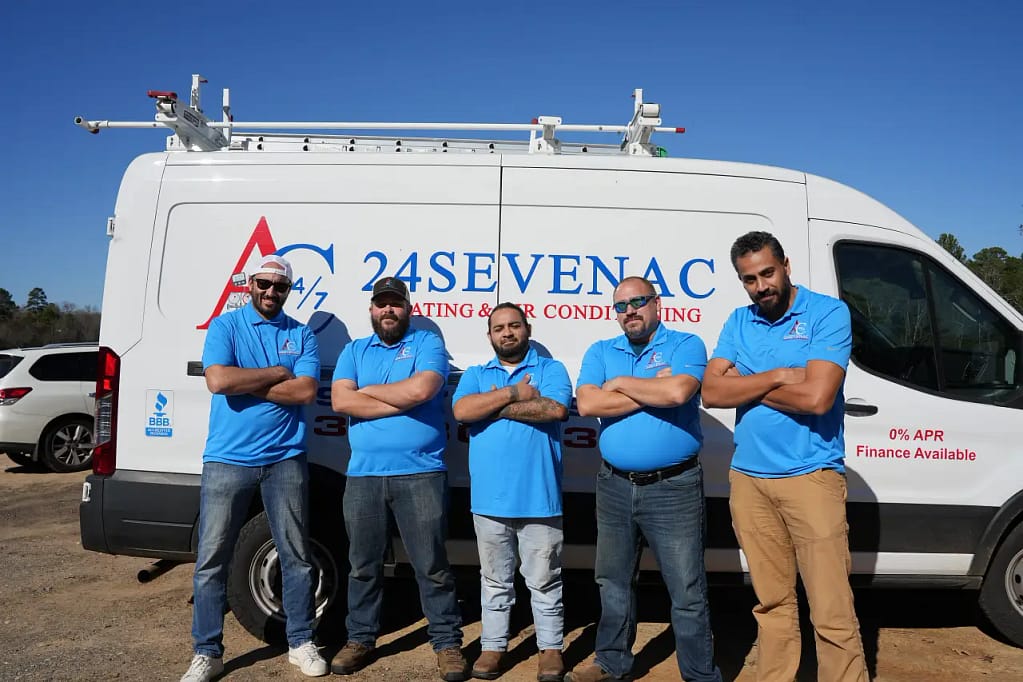
Is your AC not cooling effectively? Call the 24Sevenac Team in Texas
Don’t let a home AC not working after winter ruin your comfort. If you have tried the basic troubleshooting steps and your home is still warming up, it is time for professional intervention. Our team can provide a clear breakdown of the cost of repairing your central air conditioner, so there are no surprises.
We specialize in reviving systems that have been dormant all winter. Whether you need a simple refrigerant recharge or a complex electrical repair, 24SevenAC is your local Texas partner for reliable cooling.