
The Full Troubleshooting Guide for why the Home AC is not working after winter
Is your home ac not working after winter hibernation? Flipping your thermostat to cool on the first warm day of spring only to feel lukewarm air is an incredibly frustrating experience. When a central cooling system sits idle for months, electrical parts can seize, pests can chew through wiring, and hidden refrigerant leaks can fully develop. Understanding why this happens helps you troubleshoot safely before calling out an emergency technician. Let’s dive into why your cooling system is struggling and how to get it running smoothly again.
10 Reasons Home AC Not Working After Winter
Electrical and Control Failures
When dealing with a home AC not working after winter, structural or electrical issues are often the primary cause. Months of cold weather can take a heavy toll on outdoor electronics.
1. A Tripped HVAC Circuit Breaker
Sometimes the solution is as simple as a safety switch. Your outdoor condenser and indoor air handler rely on separate breakers; if a winter power surge occurred, the breaker might have tripped without your knowledge.
2. Dead Thermostat Batteries
If your climate control screen is completely blank or uncalibrated, it cannot signal your cooling system to engage. Weak batteries are a frequent cause for a system failing to start in the spring.
3. Chewed or Frayed Control Wiring
During freezing weather, small rodents often seek shelter inside the warm electrical service panels of outdoor units. Mice and rats frequently chew through low-voltage control wires, causing a complete communication failure.
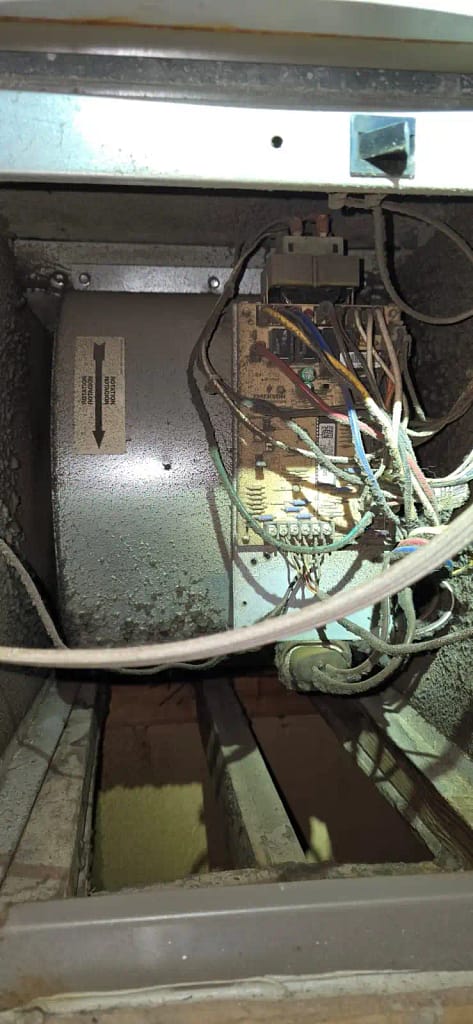
4. A Fried Outdoor Dual-Run Capacitor
The capacitor acts as the starting battery for your compressor and outdoor fan. If this electrical canister degrades over the winter, your air conditioner will emit a low hum but refuse to start up.
Mechanical and Airflow Obstructions
Physical blockages can easily choke your system after months of neglect. Proper airflow is mandatory for cooling to occur.
5. A Completely Choked Return Air Filter
If you did not replace your filter during the heating season, a thick layer of dust will suffocate your system’s airflow, forcing the system into an automatic safety shutdown.
6. Accumulated Outdoor Yard Debris
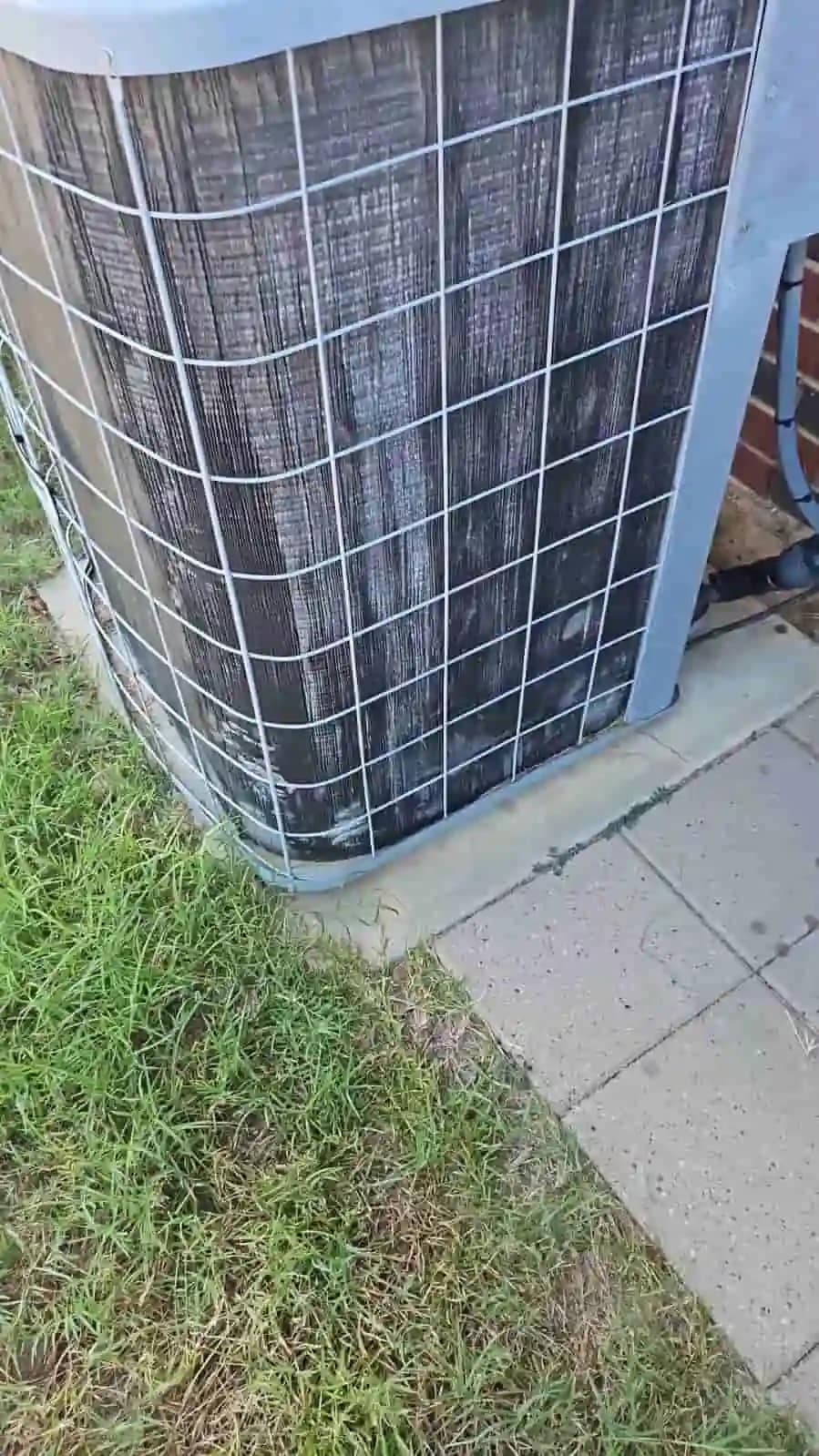
Leaves, twigs, and heavy winter mud can pack tightly into the aluminum fins of your outdoor condenser cabinet, blocking the release of necessary heat.
7. A Tripped Drain Float Safety Switch
If your condensate line clogs at the end of the previous summer, stagnant water or sludge will trip the safety float switch, completely cutting off your system’s electrical power.
Refrigerant and Component Degradation
Internal chemical balances must be exact for cold air to blow through your home.
8. A Slow, Developed Refrigerant Leak
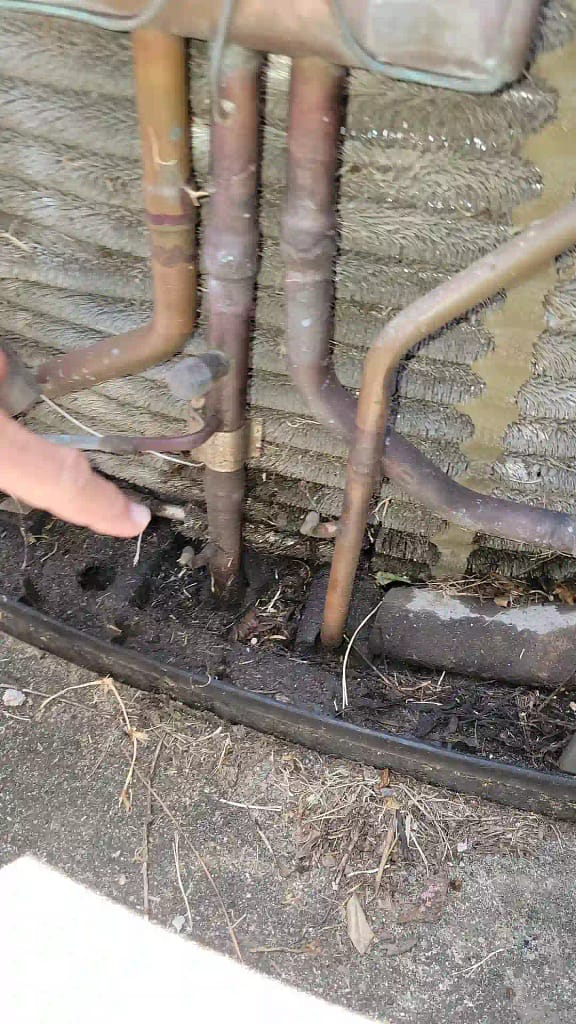
Thermal expansion and contraction can cause tiny copper joints to crack over the winter. If your gas escapes, you will need to find out the cost to repair the leaking AC unit lines to restore proper cooling pressures.
9. A Seized Outdoor Compressor Motor
If your unit is older, sitting idle for six months can cause the internal mechanical pistons of the compressor to lock up permanently.
10. An Accurately Shut-Off Disconnect Switch
Many homeowners pull the outdoor electrical plug or flip the winter switch for safety in November and simply forget to reinsert it come spring.
How To Properly Turn On Your Air Conditioner The First Time After Winter
The Safe Startup Sequence
To prevent a sudden electrical surge or mechanical shock from damaging your equipment, follow a systematic approach when activating your system for the first time. First, perform a thorough visual inspection of the outdoor pad. Remove any winter protective covers, clear away dead leaves, and ensure no vegetation has grown inside the cabinet.
Calibrating Your Indoor Control Board
Next, verify that your indoor air filter is brand new. Head to your electrical panel and ensure all HVAC breakers are flipped firmly to the “On” position. Walk to your thermostat, switch the setting from “Heat” directly to “Cool,” and set the temperature at least three degrees below the current room temperature. Listen carefully for the indoor blower and outdoor fan to engage smoothly.
When Should I Turn On My Air Conditioning for the First Time?
The Golden 60-Degree Operational Rule
You should never test or run your central cooling unit if the outdoor temperature has been consistently below 60°F ($15.5^\circ\text{C}$) over the previous 24 hours. Running a compressor in cold weather can cause severe, irreversible mechanical damage. The oil inside the compressor thickens in cold weather, preventing proper lubrication of the moving parts.
Waiting for Stable Spring Weather
Wait until spring ambient temperatures consistently hit 65°F to 70°F during the day. This ensures the internal lubricants are warm and fluid, allowing the refrigerant to change states safely from liquid to gas without liquid slugging back into and destroying your compressor pistons.
What to Do if Your Central Air is Not Working
Initial DIY Checks for Property Owners
If you find your central air not working after winter, do not panic. Start by inspecting your thermostat settings and swapping out old batteries for fresh ones. Next, verify your main circuit breaker panel; flip the AC switches completely “off” and then firmly back “on” to reset a hidden trip.
Evaluating Airflow Channels
Check the outdoor disconnect box to ensure the safety plug is pushed all the way in. If your indoor fan is blowing warm air but the outdoor unit remains dead, turn the system off immediately at the thermostat to prevent the indoor coils from freezing into a solid block of ice while you arrange a professional inspection.
Don’t Let a Small Issue Turn Into a Big Repair
The Danger of Ignoring System Warning Signs
Forcing a struggling air conditioner to run after a long winter hibernation can quickly turn an inexpensive electrical glitch into a catastrophic mechanical failure. If a motor lacks lubrication or is struggling against a weak capacitor, running it continuously will cause the internal copper windings to overheat and burn out completely.
Preventing Compound Equipment Failure
Catching issues early prevents a chain reaction of component damage. For example, a clogged air filter or a slow refrigerant leak will force your compressor to work twice as hard, running hot, extended cycles. This excessive thermal strain can destroy the compressor entirely, leaving you facing a massive cost for HVAC replacement rather than a simple, affordable component tune-up.
Prevent Future AC Cooling Issues
Proactive Habits for Seasonal Swaps
The most effective way to eliminate spring cooling failures is to adopt a proactive maintenance routine before the winter cold hits. Never allow your system to sit with a dirty, dust-caked filter for months, as dust will settle deep into the hard-to-reach internal blower assembly.
Simple Protective Steps
- Clear a two-foot boundary around your outdoor condenser to prevent wet winter leaves from sticking to the coil fins.
- Clean your indoor components before shutting down for the year; knowing how to clean your central air unit inside prevents biological accumulation in the drain pan.
- Pour a cup of distilled white vinegar down your condensate drain line before winter to keep algae from hardening into a solid clog.
How to Prepare Your AC for Spring?
The Pre-Season Maintenance Checklist
Preparing your system for the hot summer months requires a blend of basic outdoor cleanup and smart component validation. Begin by washing down the outdoor condenser coil gently with a standard garden hose to clear away accumulated winter grime and dirt layer build-up.
Scheduling Professional Diagnostics
Before peak summer demand hits, book an intensive preventative evaluation with a certified technician. A specialist will attach specialized gauges to measure exact refrigerant levels, test electrical contacts for dangerous pitting, and verify that your system draws the safe, factory-specified operational amperage.
Call the 24Sevenac Team in Texas
If your home ac not working after winter leaves you sweating in the Texas spring heat, the team at 24SevenAC is ready to help. We bring certified technical expertise, transparent flat-rate pricing, and rapid response times directly to your doorstep. Our local HVAC specialists diagnose spring startup failures accurately, ensuring your system is perfectly calibrated to handle the intense summer heat safely. Let us take the hassle out of your cooling issues—contact 24SevenAC today to restore your home’s cool air and peace of mind! You will need a professional AC repair service to pinpoint the exact pressure or electrical deviation safely.
Frequently Asked Questions (FAQs)
Does AC worsen sinuses?
No, a properly maintained air conditioning system does not worsen sinuses, but a dirty system with a clogged air filter can accumulate thick dust, pet dander, and mold spores that blow directly into your indoor living spaces, drying out your nasal passages and triggering sinus irritation.
How to restart the AC after winter?
To restart your AC after winter, clear all debris away from the outdoor unit, insert a fresh indoor return air filter, ensure all electrical circuit breakers and outdoor disconnect switches are turned on, switch your thermostat to cool mode, and set the target temperature a few degrees below the current room temperature.
